Understanding Your Hips
Hip Anatomy
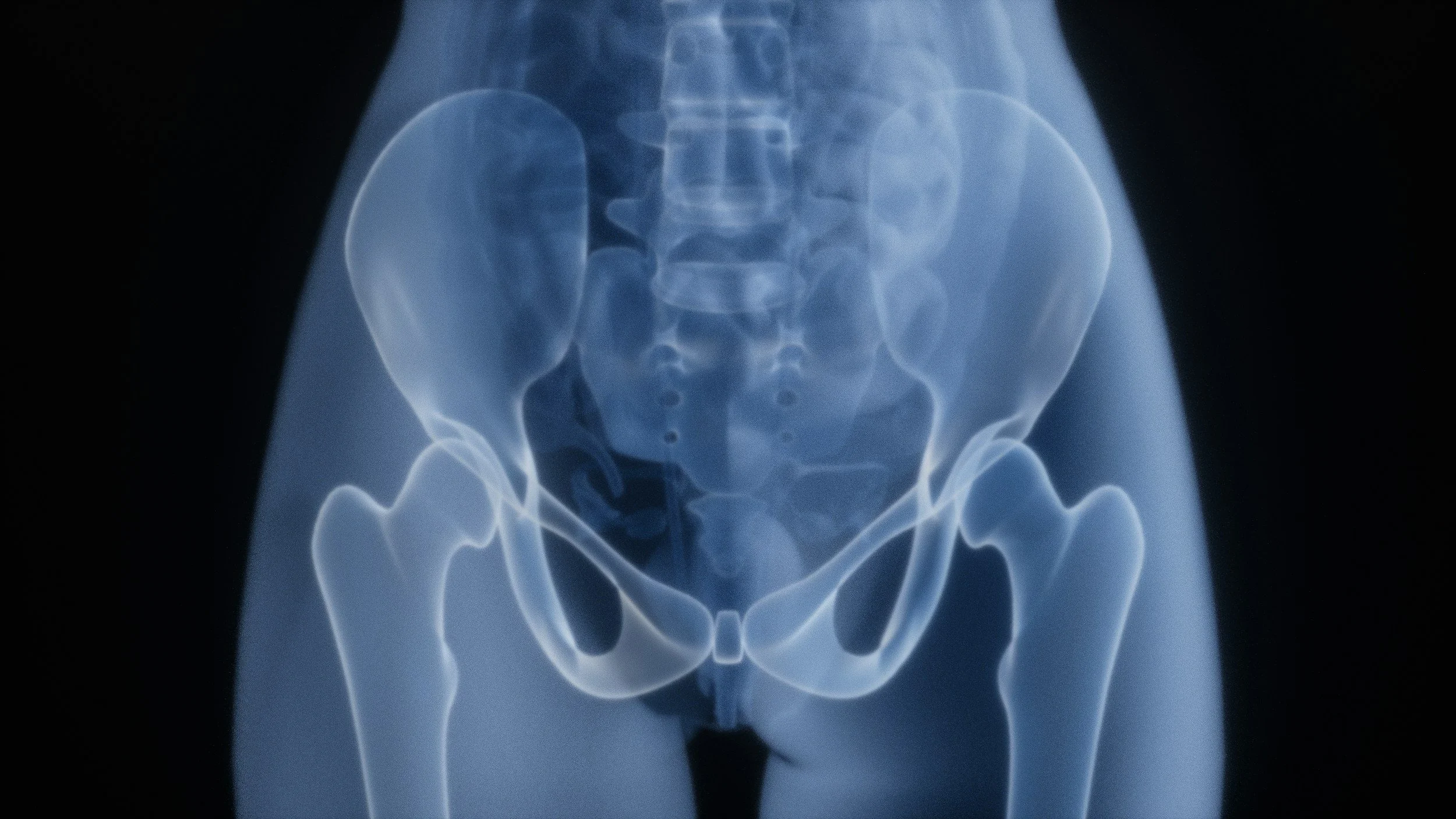
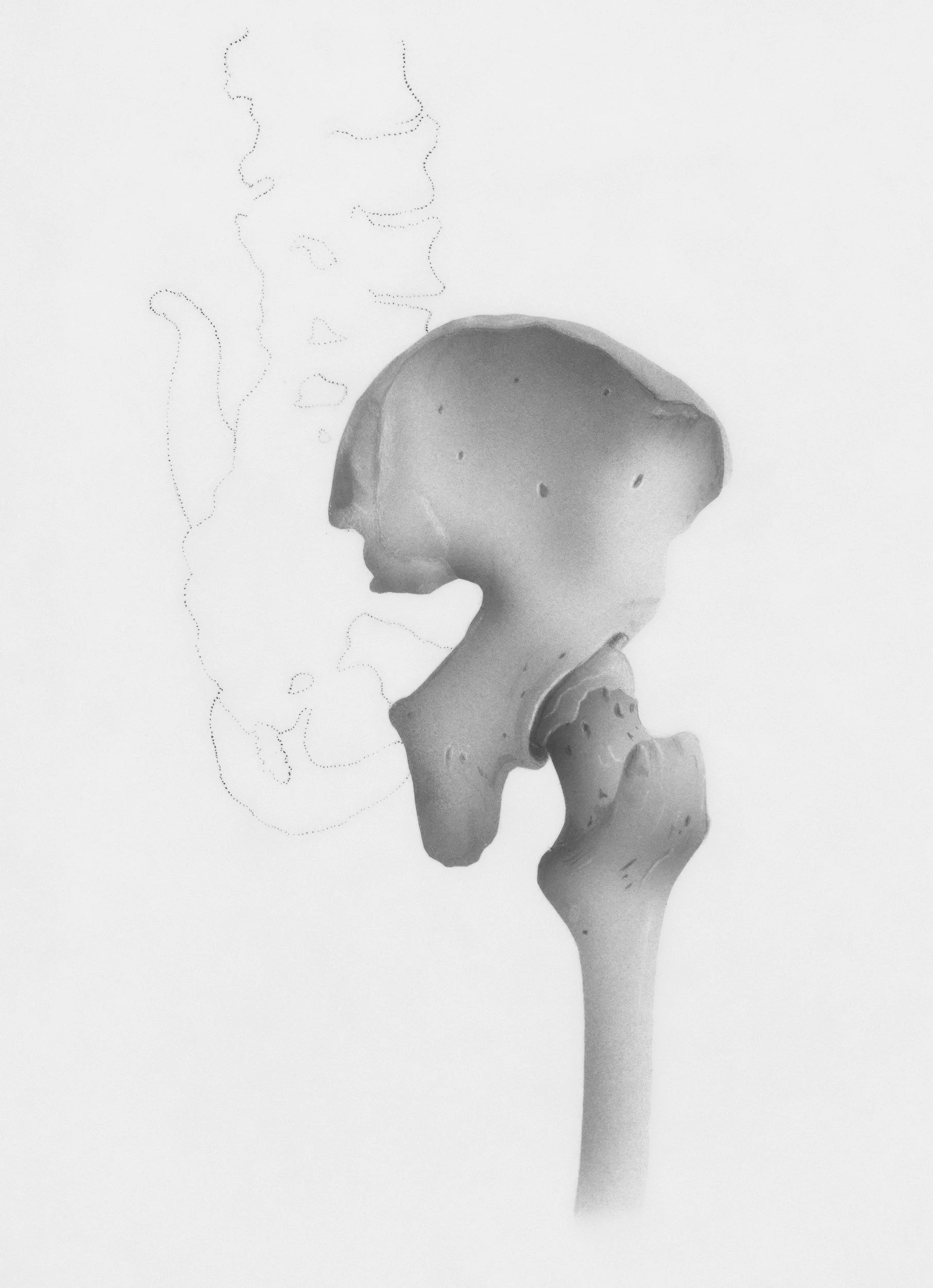
The hip is a ball-and-socket joint, allowing for a wide range of motion similar to the shoulder. It plays a crucial role in both mobility and stability, supporting the body's weight during standing, walking, running, and other daily activities. The hip joint consists of the femoral head (the "ball") fitting into the acetabulum of the pelvis (the "socket"), creating a strong yet mobile connection.
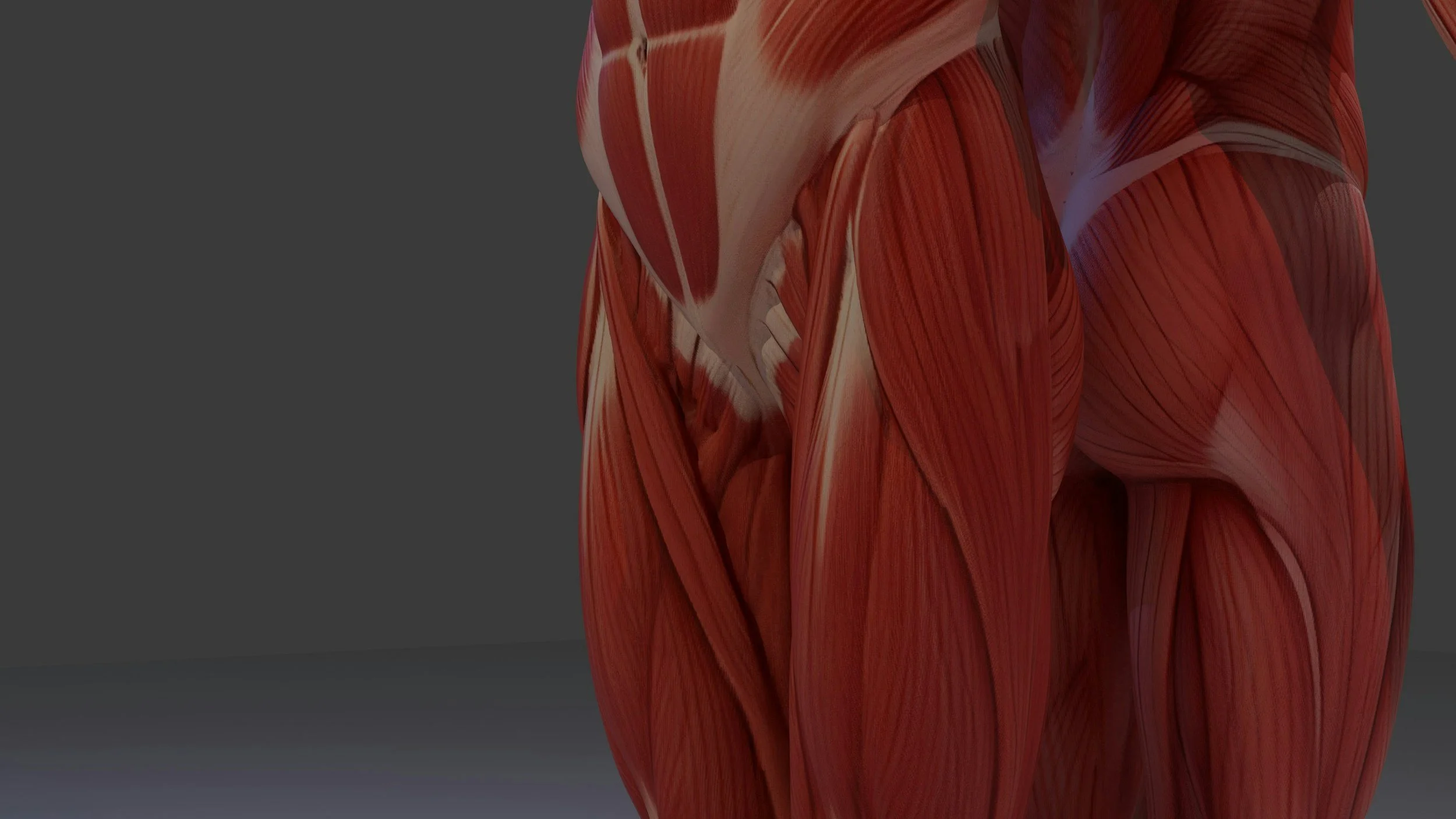
Surrounding the hip are several groups of muscles that work together to create movement and maintain stability.
-
The hip flexors attach from the pelvis to the thigh and work to bring the knee toward the torso. These muscles are responsible for lifting the leg during walking, running, climbing stairs, and kicking. They also help stabilize the pelvis and lower back during movement.
-
The hip extensors are located along the back of the hip and thigh and include the gluteal muscles and hamstrings. Their primary role is to move the leg backward and propel the body forward during activities such as walking, running, and jumping. These muscles are also important for maintaining hip and pelvic stability.
-
The hip abductors are found on the outer side of the hip and pelvis. They move the leg away from the body's midline and help stabilize the pelvis when standing on one leg during walking or running. This muscle group includes the gluteus medius, gluteus minimus, and the tensor fasciae latae (TFL), which connects to the iliotibial (IT) band.
-
Located along the inner thigh, the adductors pull the leg toward the body's midline. These muscles contribute to balance and stability, assist with hip flexion and extension, and play an important role in activities that require changes in direction, such as sports.
-
The hip rotators are a group of muscles that control inward and outward rotation of the thigh. These muscles help maintain balance, support walking and running mechanics, and provide stability to the pelvis and hip joint.
Common Hip Injuries
Hip Flexor Strains
Hip flexor strains occur when the muscles are overstretched or torn, often during sprinting, kicking, or sudden changes in direction. Symptoms may include pain in the front of the hip, stiffness, and difficulty lifting the knee.
Gluteal and Hamstring Strains
Overuse or sudden explosive movements can lead to strains in the gluteal or hamstring muscles. These injuries commonly cause pain in the buttock or back of the thigh and may affect walking, running, or climbing stairs.
Hip Bursitis
Bursae are small fluid-filled sacs that reduce friction between tissues. When these sacs become irritated or inflamed, a condition known as bursitis develops. Hip bursitis often causes pain on the outside of the hip, especially when lying on the affected side, walking, or climbing stairs.
Tendinitis
Hip tendinitis occurs when tendons around the hip become irritated due to repetitive movements or overuse. This condition is common in runners and athletes and often results in pain, tenderness, and stiffness around the hip joint.
Labral Tears
The labrum is a ring of cartilage that helps deepen the hip socket and improve joint stability. Repetitive twisting movements, structural abnormalities, or injury can cause a labral tear. Symptoms may include clicking, catching, locking sensations, and pain deep within the hip or groin.
Hip Osteoarthritis
Osteoarthritis is a degenerative condition that occurs when the cartilage cushioning the hip joint gradually wears down. It commonly affects older adults and can cause pain, stiffness, reduced mobility, and difficulty with daily activities.
When Should You Seek Treatment?
If hip pain persists, worsens, limits daily activities, or is accompanied by swelling, weakness, or difficulty bearing weight, it is important to seek assessment and treatment. Early intervention can help identify the source of pain, improve mobility, reduce discomfort, and prevent further injury.
Understanding the anatomy of the hip and the structures involved can help you recognize the cause of your symptoms and take the necessary steps toward recovery and long-term joint health.
Book with us today! Start understanding your pain.
Our highly skilled multidisciplinary team can assist you in locating the direct cause of your pain and will create a treatment plan personally tailored to improve your health.