Knee Ligament Tears
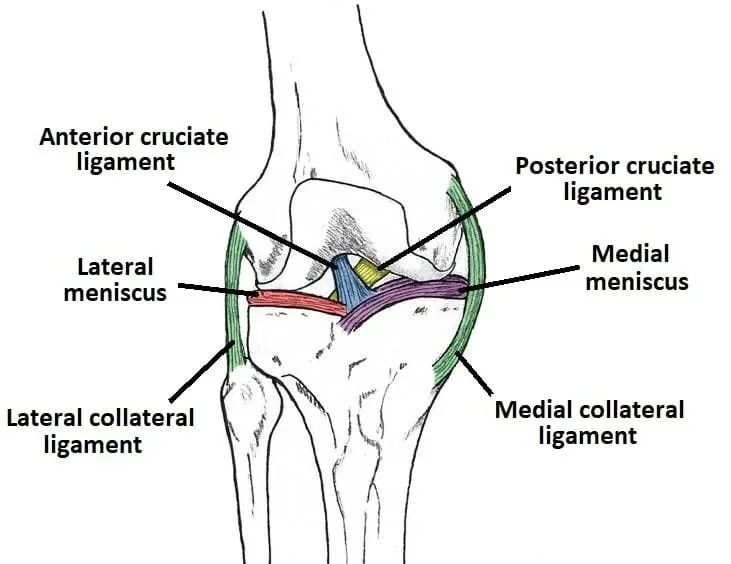
Your knee ligaments are a collection of tissues that connect your thigh bone ( femur) to your shin bone (tibia). They are defined as collateral and cruciate ligaments, and they support knee joint stability and protect the knee from injury. Though these ligaments are very strong, large forces directed to the knee can cause severe damage to these four ligaments.
ACL
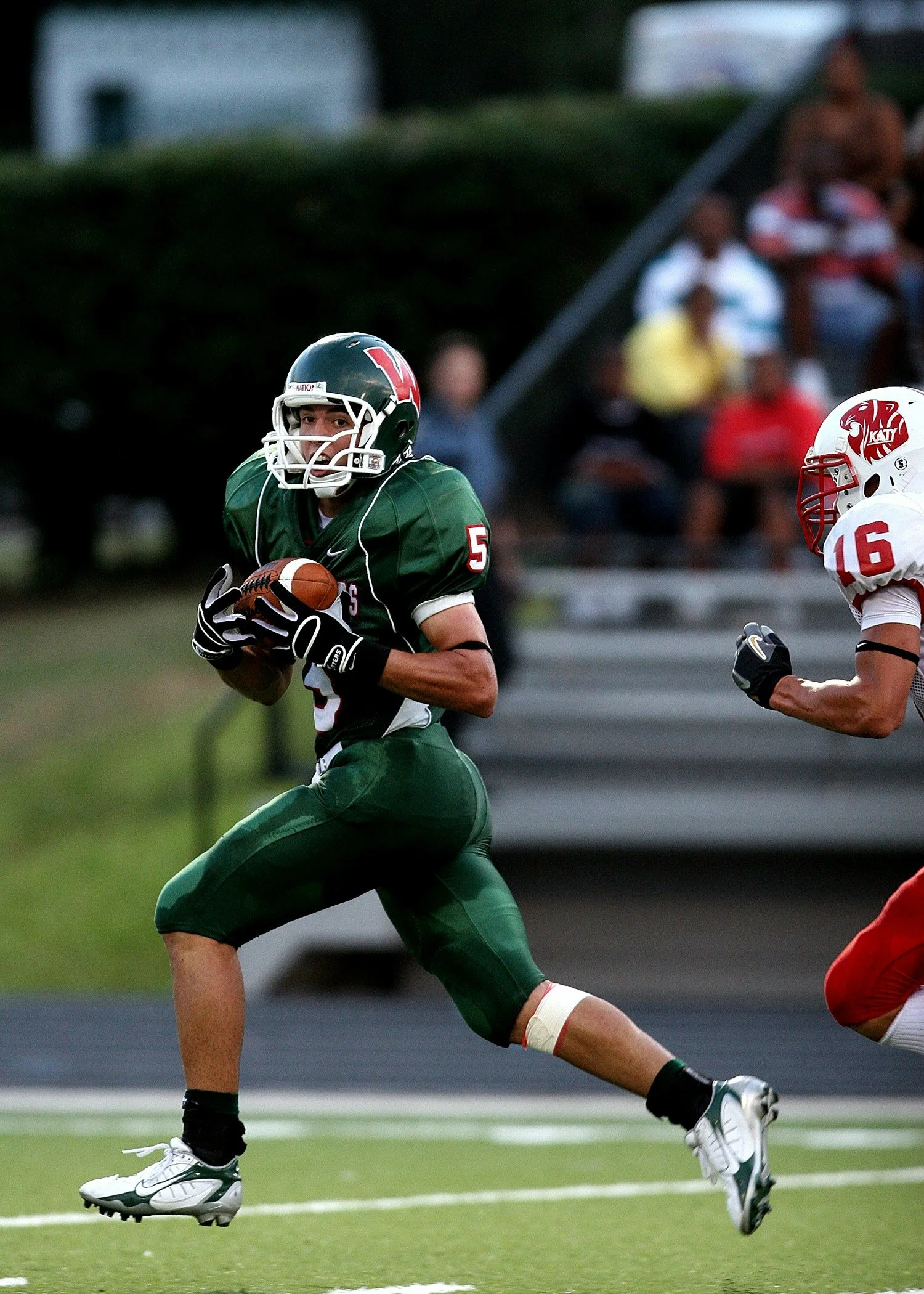
Your ACL, or Anterior Cruciate Ligament, is one of the main stabilizing bands that connect your femur (thigh bone) and tibia (shin bone). It is deep in the center of your knee joint, and it stops the tibia from sliding too far forward.
ACL injuries are very common is sports setting as it occurs during sudden stops, quick urns and landing jumps. The most common sports in which ACL tears are seen are soccer, basketball, football, and skiing.
PCL
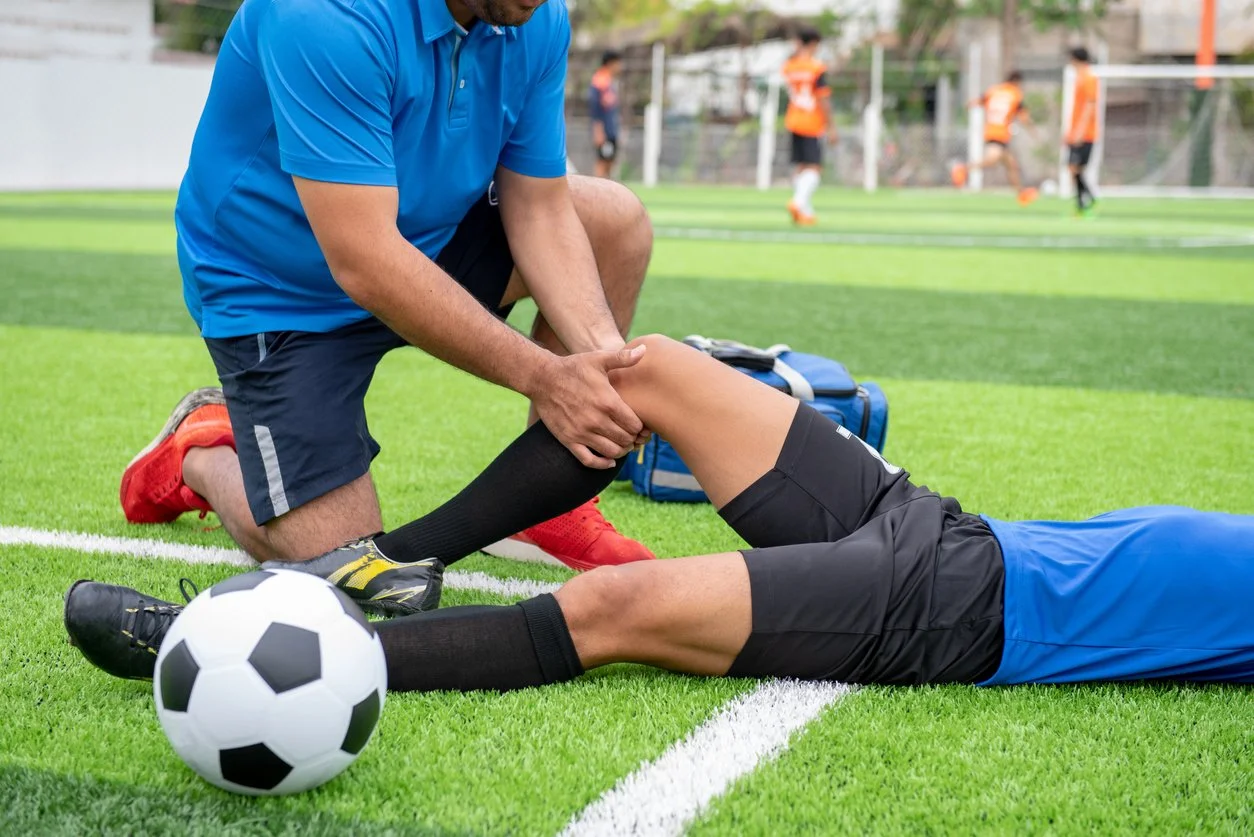
Your Posterior Cruciate Ligament sits in the deep back of the knee and connects your femur to your tibia. It prevents the tibia from sliding back too far.
Injury occurs when there is a direct blow to the front of the shin while the knee is bent. Usually occurs during a car crash or falling down on a bent knee.
MCL
Your MCL, or Medial Collateral Ligament, is found on the inner side of your knee and connects your femur to your tibia. This ligament works to stabilize the joint to provide side-to-side stability and stops your knee from bending too far inward.
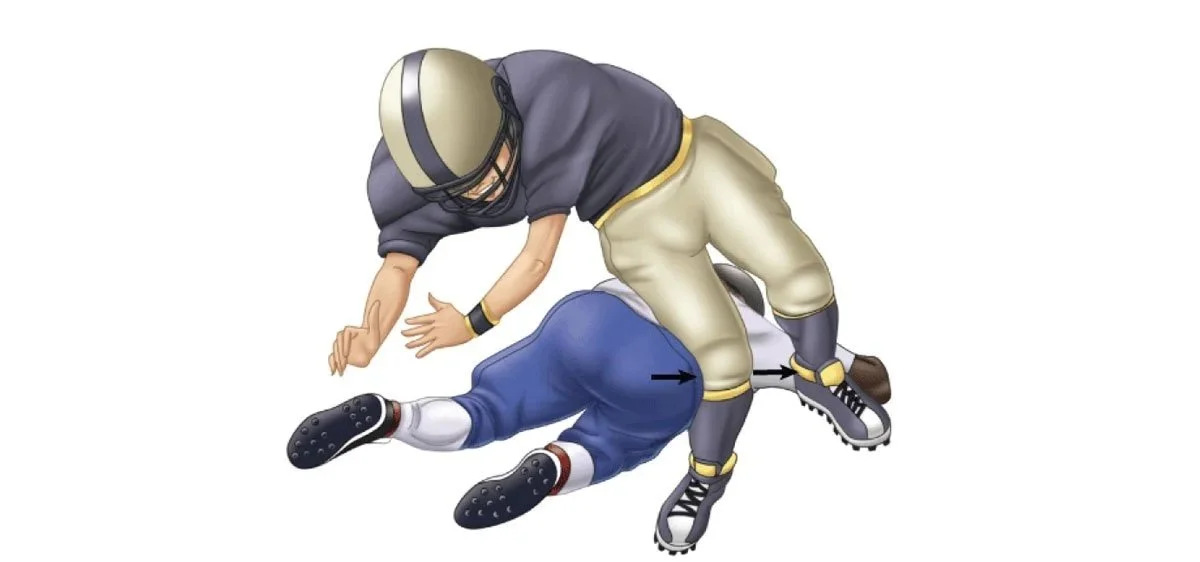
MCL injuries occur during a hard or heavy blow to the outside of the knee, most common in contact sports such as football, hockey or lacrosse. Any sudden pivots or changes in direction while the foot is planted will aggravate this tendon.
LCL
The lateral collateral ligament is on the outer side of your knee and protects the knee from bending too far outward. Tears to this ligament usually occur when there is a hard blow to the knee from the inside. Quick twisting and pivoting put pressure on the ligament, which is why injury to the LCL is common in sports like soccer, football and basketball.
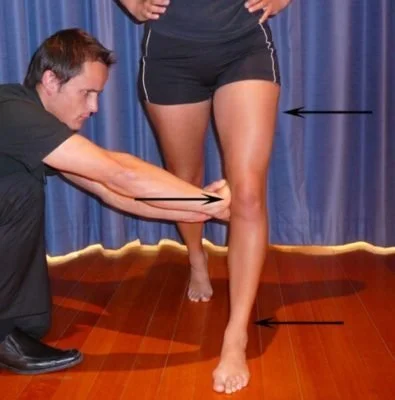
There are three different types of injury to the ACL, PCL, MCL, and LCL:
Grade 1: Mild or slight stretching of ligaments. Microscopic tearing of fibres
Grade 2: Partial tear with joint looseness
Grade 3: Complete tear with leg instability
It's common for these injuries that you hear a loud pop, and your knee will swell fast! If this injury occurs, it's common for your leg to feel loose and give out.
Tore one of your knee ligaments and now need rehabilitation? Book with us today to talk to a physiotherapist and start your rehab journey to get back to doing what you love!