A concussion is a mild traumatic brain injury (mTBI) that temporarily affects how the brain functions. Concussions can occur when a direct blow to the head, face, neck, or body causes the brain to move rapidly inside the skull. Contrary to popular belief, a person does not need to lose consciousness to have a concussion.
Concussions can affect a variety of brain functions, including memory, concentration, balance, vision, mood, and sleep. While most individuals recover fully with proper management, symptoms can persist if the injury is not recognized and treated appropriately.
Falls are the most common cause of concussions, particularly among children and older adults. However, individuals who participate in contact sports, cycling, skiing, snowboarding, and other high-impact activities may also be at an increased risk.
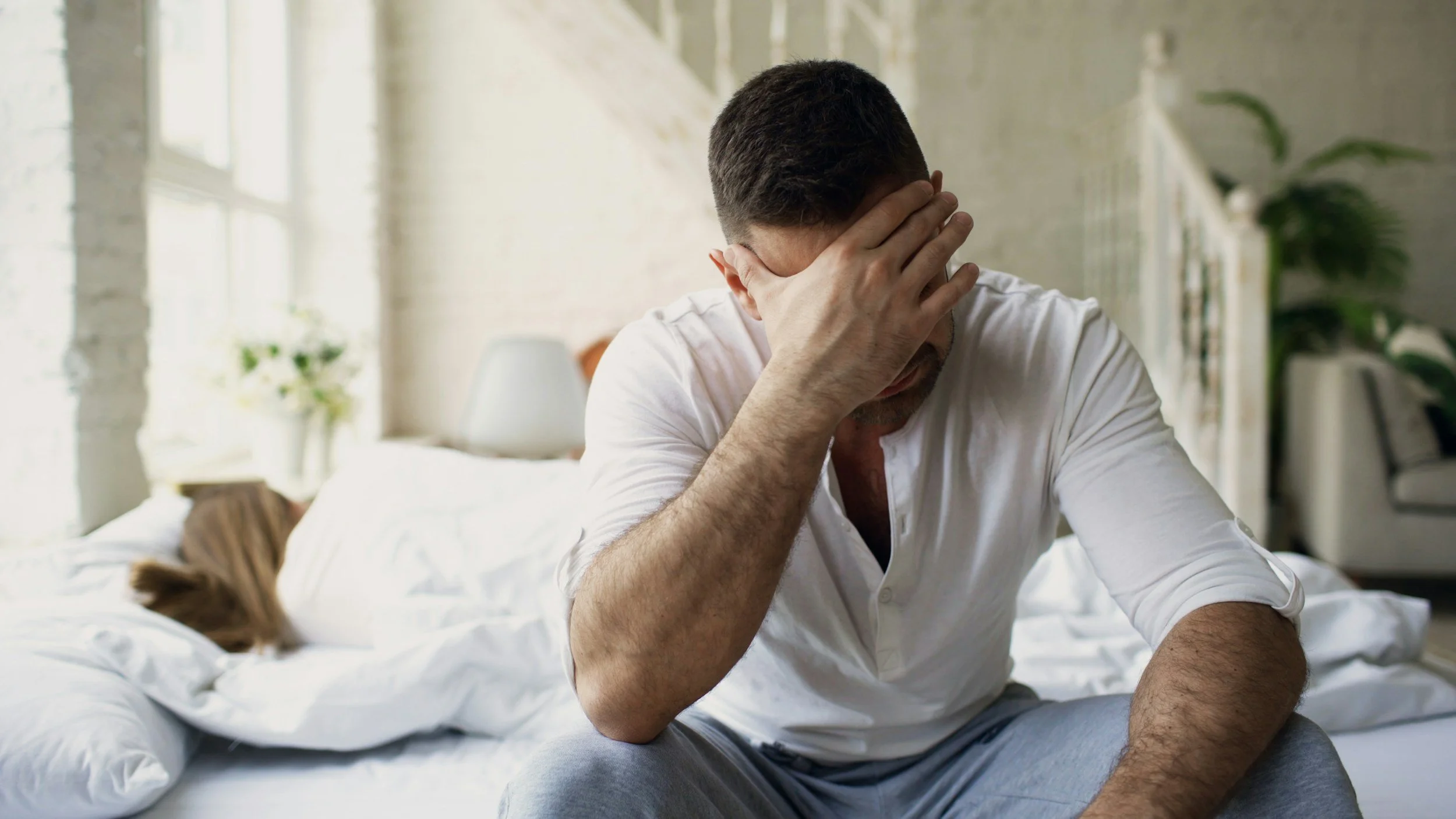
Common Symptoms of a Concussion
Symptoms may appear immediately after the injury or develop hours or even days later. Every concussion is different, and individuals may experience a combination of physical, cognitive, emotional, and sleep-related symptoms.
Physical Symptoms
Headache or pressure in the head
Dizziness or balance difficulties
Nausea or vomiting
Blurred or double vision
Sensitivity to light or noise
Ringing in the ears (tinnitus)
Fatigue or unusual drowsiness
Feeling slowed down or "foggy"
Cognitive Symptoms
Difficulty concentrating
Memory problems or forgetfulness
Confusion
Trouble finding words
Feeling mentally slower than usual
Difficulty following conversations or instructions
Amnesia surrounding the event
Emotional Symptoms
Increased irritability
Anxiety or nervousness
Mood swings
Sadness or emotional sensitivity
Sleep Disturbances
Sleeping more than usual
Difficulty falling asleep
Difficulty staying asleep
Feeling excessively tired throughout the day

Signs a Bystander May Notice
Sometimes the injured individual may not recognize that they have sustained a concussion. Family members, coaches, teammates, friends, or coworkers may notice signs immediately following the injury.
Common observable signs include:
Temporary loss of consciousness
Appearing dazed or stunned
Slow responses to questions
Slurred speech
Poor balance or unsteady walking
Confusion about time, place, or events
Repeating questions
Forgetfulness or difficulty recalling recent events
Changes in behaviour or personality
When Should You Seek Immediate Medical Attention?
Although most concussions are not life-threatening, some symptoms may indicate a more serious injury and require immediate medical evaluation.
Seek emergency medical attention if there is:
Worsening headache
Repeated vomiting
Increasing confusion or difficulty waking up
Seizures
Weakness or numbness in the arms or legs
Unequal pupil size
Loss of consciousness lasting longer than a few moments
Significant changes in behaviour or awareness
Concussion Recovery and Treatment
Current concussion management focuses on a gradual return to normal activities. Complete bed rest is no longer recommended for extended periods. Instead, individuals are typically encouraged to have a brief period of relative rest followed by a gradual return to cognitive and physical activity as symptoms allow.
Treatment may include:
Education about concussion recovery
Activity modification
Gradual return-to-work, school, or sport programs
Vestibular rehabilitation for dizziness and balance issues
Visual rehabilitation for vision-related symptoms
Neck assessment and treatment, as cervical spine injuries often occur alongside concussions
Guided aerobic exercise programs during recovery
Symptom management strategies for headaches, sleep disturbances, and fatigue
Recovery times vary from person to person. While many individuals recover within several weeks, some may experience ongoing symptoms that require additional assessment and treatment.
How Can Total Rehab Clinics Help You?
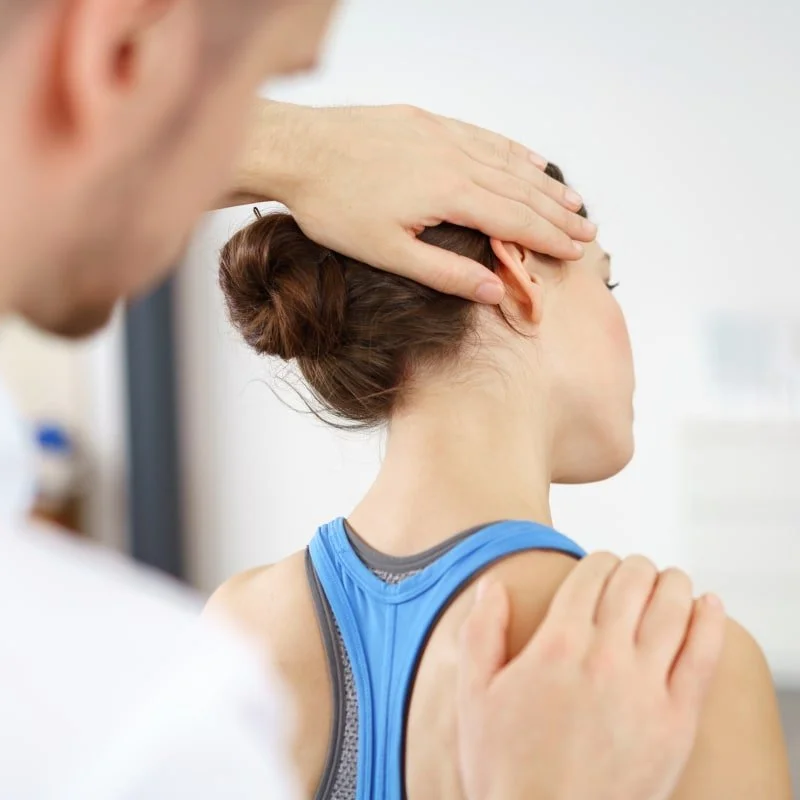
Concussion recovery often involves multiple body systems, making a multidisciplinary approach highly effective. Physiotherapists, chiropractors, registered massage therapists, and acupuncturists each offer unique benefits that can help address symptoms, promote healing, and support a safe return to daily activities, work, school, and sport. Together, these therapies can provide a comprehensive treatment plan tailored to each individual's needs.
-
Physiotherapy plays a key role in concussion rehabilitation by addressing symptoms such as dizziness, balance problems, neck pain, headaches, and exercise intolerance. A physiotherapist can assess the body's balance system, vision and movement coordination, and develop a personalized treatment plan that may include balance training, neck treatment, and a gradual return-to-activity program. This helps patients safely recover and return to their daily activities, work, school, or sport.
-
Following a concussion, many individuals experience neck pain, stiffness, headaches, and reduced mobility due to associated cervical spine injuries. Chiropractic care focuses on evaluating and treating dysfunctions of the neck, upper back, and surrounding muscles and joints. Through gentle manual therapy, soft tissue techniques, and corrective exercises, chiropractors can help improve mobility, reduce muscle tension, and alleviate headache symptoms that may contribute to prolonged concussion recovery.
-
Registered massage therapy can be beneficial during concussion recovery by addressing muscle tension, stress, and soft tissue restrictions, particularly in the neck, shoulders, and upper back. Many concussion sufferers develop tight muscles due to altered posture, pain, or protective guarding. Massage therapy promotes relaxation, improves circulation, reduces tension-related headaches, and can support overall recovery when incorporated into a multidisciplinary treatment approach.
-
Acupuncture may help manage several common concussion symptoms, including headaches, neck pain, stress, anxiety, sleep disturbances, and muscle tension. By stimulating specific points throughout the body, acupuncture aims to support the body's natural healing processes and encourage relaxation. Many patients find that acupuncture complements other rehabilitation therapies by helping reduce discomfort and improve overall well-being during recovery.
When in Doubt, Get Checked Out
Early recognition and proper management of a concussion can significantly improve recovery outcomes. If you have experienced a head injury and are experiencing symptoms such as headache, dizziness, difficulty concentrating, or balance problems, it is important to seek professional assessment.
Our team can help evaluate your symptoms, guide your recovery, and create an individualized rehabilitation plan to help you safely return to work, school, sport, and everyday activities.
Read more about Concussions here: https://braininjurycanada.ca/en/concussion/