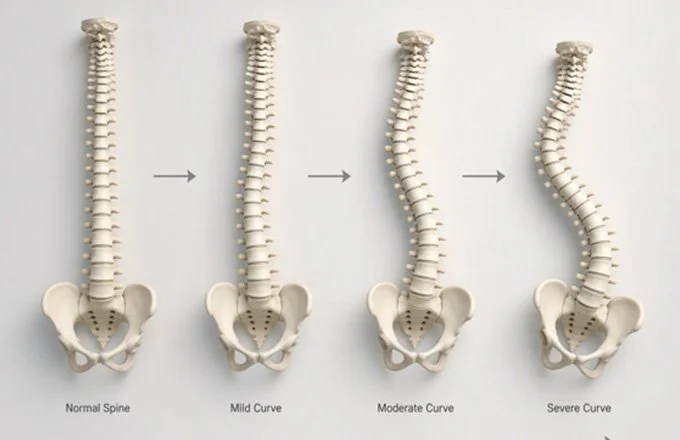
Scoliosis
Scoliosis is a condition in which the spine develops a sideways curve. Officially, scoliosis is diagnosed when a spinal X-ray shows an angle of 10 degrees or greater. There are various types of scoliosis and each type has a specific symptom or cause that sepeartes them from others.
Common general signs and symptoms of scoliosis:
Uneven shoulders, prominent shoulder blades, visible rib hump
Uneven hips or waistline that shifts to one side
No pain present, though moderate and severe curves can lead to back pain
Severe curves crowd the chest and affect lung or heart function
Idiopathic Scoliosis
This is the most frequent form of scoliosis. Based on the name, "idiopathic” there is no known cause. All that is known is that it worsens during an adolescent growth spurt.
Signs and Symptoms:
Uneven shoulder
Higher hips or shifted waistline
Prominent ridge or hump on the back when bending forward
No back pain present
Diagnosis
The Adam’s forward bend test allows a doctor to check for any rib or back asymmetry. The child bends forward with their back exposed, and the doctor is able to observe and palpate any asymmetry in their back.
The Cobb angle measurement is a standing spine X-ray that measures the curvature angle of the spine. Any curve greater than 10 degrees is considered scoliosis.
More information on Scoliosis can be found here:
https://www.aans.org/patients/conditions-treatments/scoliosis/
Congenital Scoliosis
This condition is present at birth due to the bones in the spine not forming properly. During the 4th to 6th week of fetal growth, two issues can occur:
Failure of Formation: A vertebra does not develop completely
Failure of Segmentation: Bones fail to divide normally and fuse
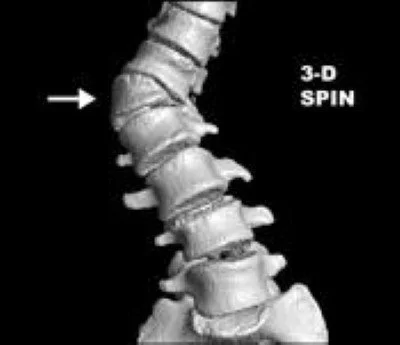
A full X-ray is required to confirm a spinal curve, and an MRI/Ultrasound of the complete spine is recommended to check for spinal cord or nerve abnormalities in the infant.
Click here to learn more about Congenital Scoliosis
Degenerative Scoliosis
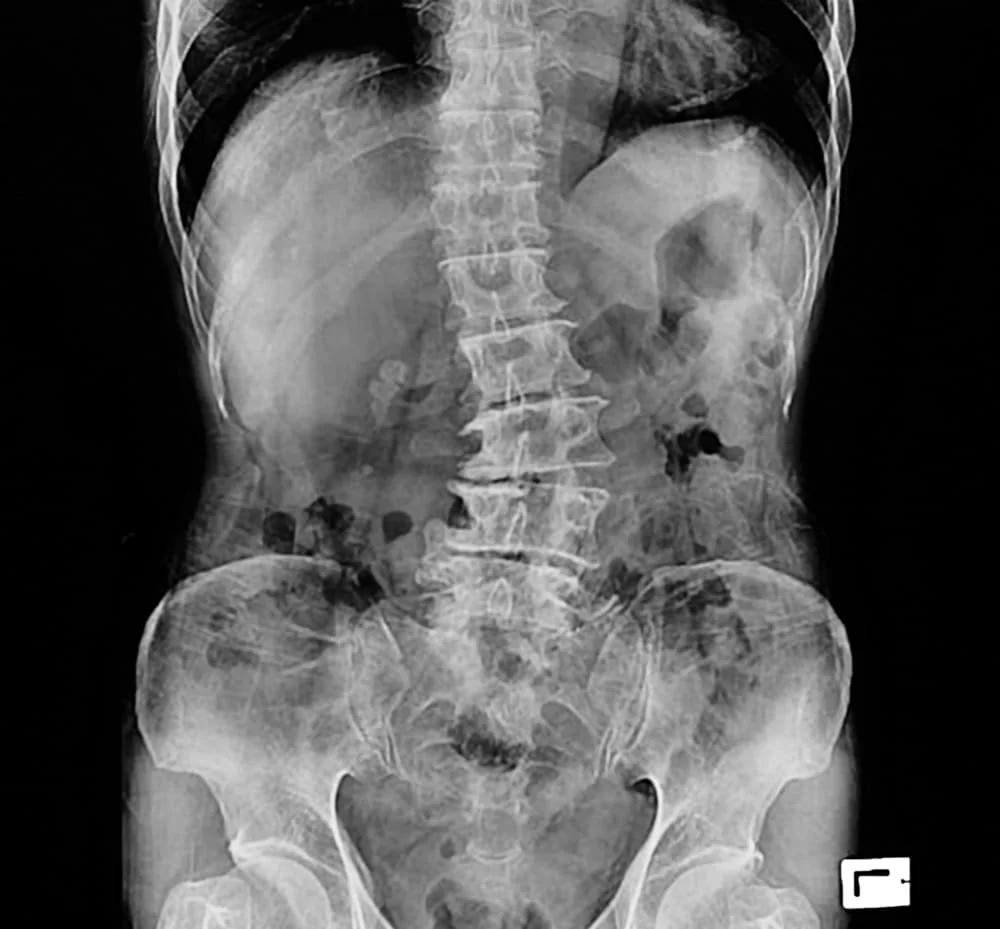
This condition develops later in life due to age-related wear and tear, disc degeneration and arthritis in the lower back.
Common Symptoms include:
Discs and facet joints wear out unevenly from side to side
C-shaped curve in the low back, defined as a sideways curve of at least 10 degrees (via X-ray)
Back Pain or stiffness
Nerve compression (sciatica)
Posture changes - leaning or bending forward, uneven shoulders and hips
Relief when bending - sitting or bending often temporarily relieves pain
Risk Factors include:
Osteoarthritis
Degenerative Disc Disease
Spinal Stenosis
Click below to learn more about Degenerative Scoliosis
https://www.hss.edu/health-library/conditions-and-treatments/degenerative-scoliosis
How can Total Rehabilitation help you?
At our clinic, our multidisciplinary team works together to help individuals manage spinal-related injury and pain and restore function. Through a combination of physiotherapy, chiropractic care, and massage therapy we can help you manage these symptoms and help you get back to daily activities!
Whether you are experiencing new symptoms or dealing with ongoing back pain, our team can create an individualized treatment plan to help you move more comfortably and return to the activities you enjoy. Book an appointment with a Physiotherapist, Chiropractor or Massage Therapist to begin your recovery and build a stronger, more resilient spine.