For many people, the workday involves long hours sitting at a desk, attending virtual meetings, answering emails, and staring at a computer screen. While desk jobs may not seem physically demanding, spending eight or more hours per day sitting can take a significant toll on the body.

Prolonged sitting is associated with increased muscle tightness, reduced mobility, poor posture, decreased circulation, and muscle weakness. Common complaints among office workers include neck pain, back pain, shoulder tension, headaches, wrist discomfort, and hip stiffness. Over time, a sedentary lifestyle can also increase the risk of chronic health conditions such as cardiovascular disease, diabetes, and obesity.
The good news is that regular physical activity can help combat many of the negative effects of prolonged sitting. Exercise helps improve circulation, maintain joint mobility, strengthen muscles, boost energy levels, and support overall physical and mental health. Even small amounts of movement throughout the day can make a meaningful difference.
Staying active doesn't mean you need to spend hours in the gym. Simple strategies such as taking walking breaks, using the stairs, stretching between meetings, and incorporating regular exercise into your weekly routine can help offset the effects of sitting and keep your body functioning at its best.
Physical Activity Guidelines
Adults aged 18-64 should be getting at least 150 minutes of moderate to vigorous aerobic physical activity per week. That equates to about 30 minutes of moderate aerobic exercise 5 days a week. Included in aerobic training, individuals should be strength training 2 days a week.
For more information, visit: https://csepguidelines.ca/guidelines/adults-18-64/
What does Aerobic Physical Activity Mean?
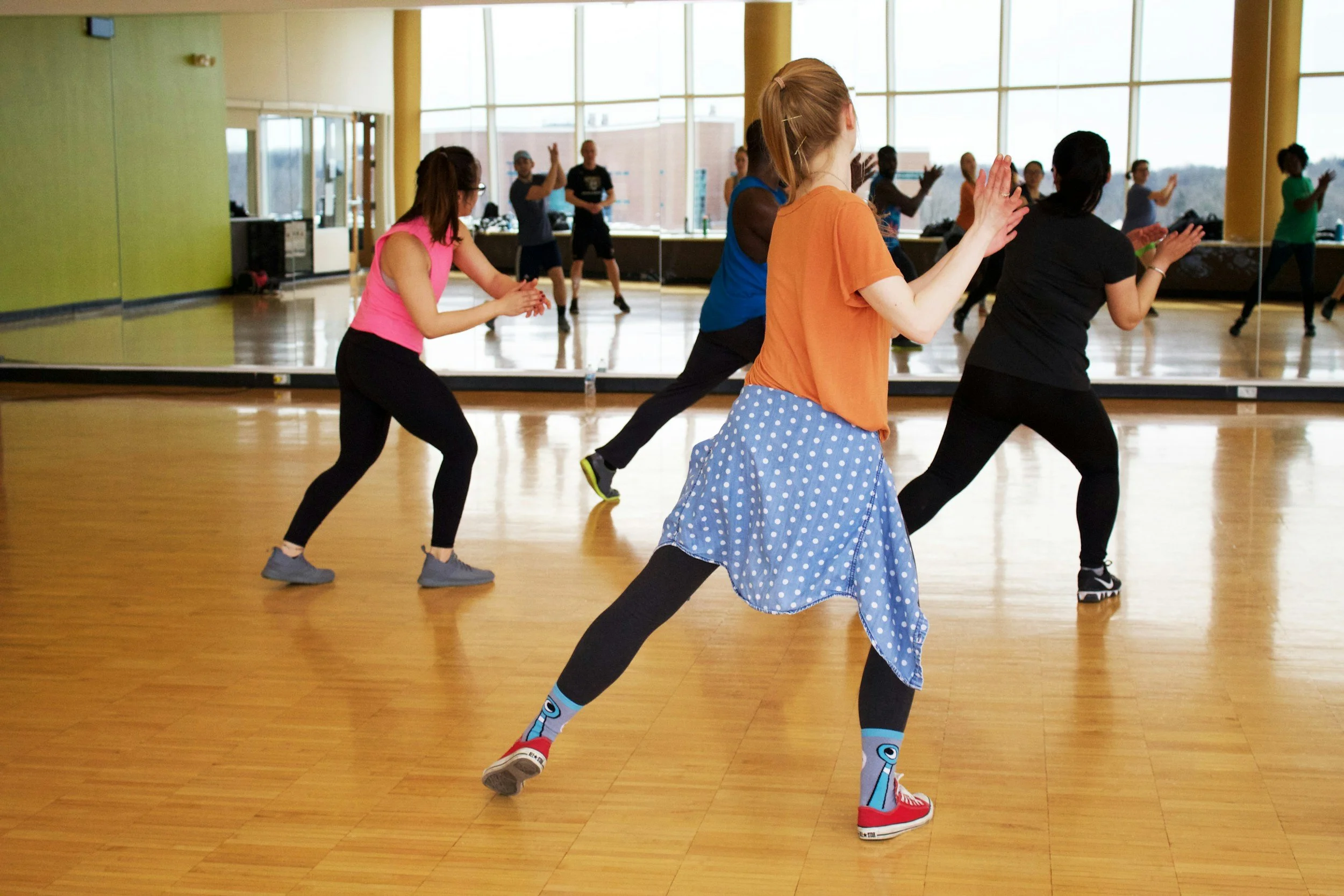
Aerobic means with oxygen, and aerobic exercise is any type of physical activity that uses large muscle groups and increases heart rate and oxygen levels. This includes
Walking
Hiking
Running
Jogging
Cycling
Swimming
Dancing
Training aerobically helps to strengthen the heart muscle by lowering resting heart rate and pumping blood more efficiently. Training this way helps burn calories and keep excess weight off best when combined with a balanced diet.
Aerobic training is shown to reduce the risk of high blood pressure, type 2 diabetes, stroke and cancer. As well as boost mental health, reduce stress and protect memory as you age.
What is Strength Training?
Strength training, or resistance training, involves moving your body against an opposing force to build muscle mass, strengthen muscles and build endurance.
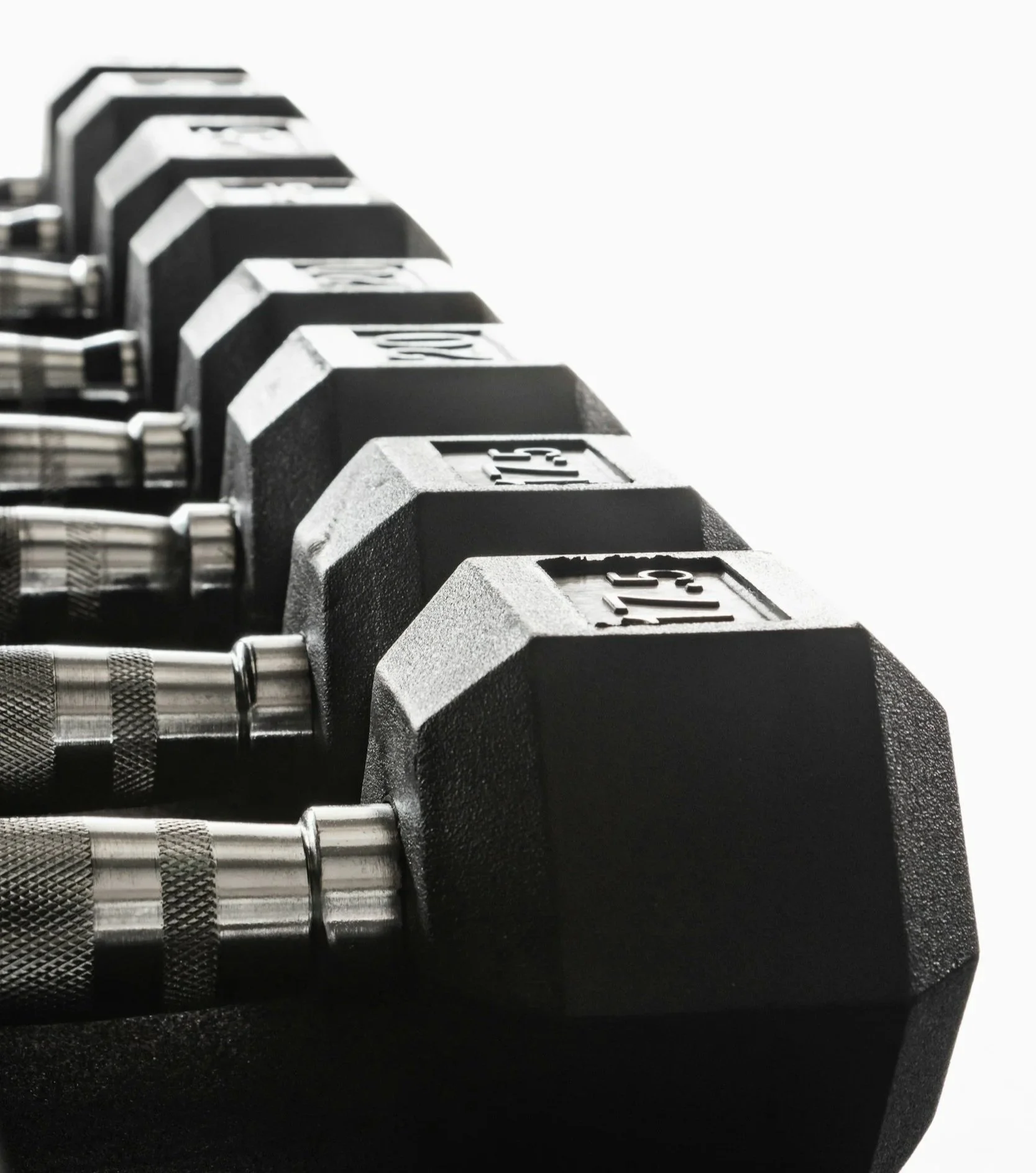
Strength training is known to build lean muscle mass, which raises your metabolic rate and helps manage body fat increases. This training form helps increase bone density and strengthens tendons to lower the risk of osteoporosis. It works to improve balance, posture and coordination to lower your risk of injury as you age.
The recommended frequency for this type of training is at least 2 to 3 times per week, with one full day of rest in between to let muscles rest. Ideally, 1 to 3 sets with 8 to 15 repetitions are essential to increase strength. Using free weights, resistance bands, or your own body weight is the only equipment you need.
30-Minute Desk Job Workout: Meet Your Weekly Exercise Goals
One of the biggest challenges of working at a desk is finding time to move. The good news is that exercise doesn't have to happen all at once.
This workout requires little to no equipment and can be completed at home, outdoors, or even during a lunch break.
5-Minute Warm-Up
Perform each exercise for 1 minute:
March in place
Arm circles
Bodyweight squats
Shoulder rolls and torso rotations
Walking or brisk marching
The goal is to increase blood flow and prepare your muscles and joints for exercise.
15-Minute Strength Circuit
Perform the following exercises for 45 seconds of work followed by 15 seconds of rest. Complete the circuit twice.
Round 1
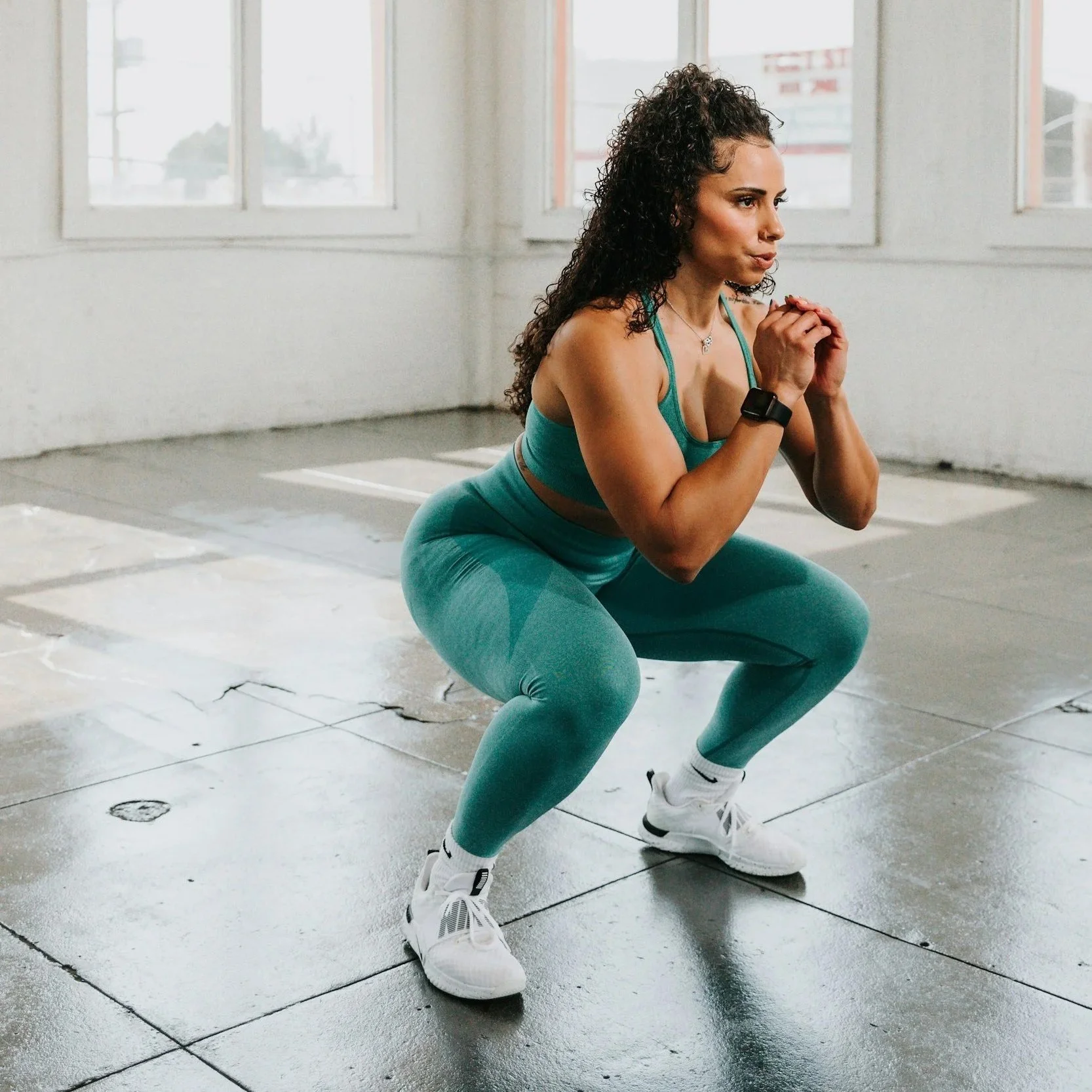
Bodyweight Squats
Strengthens the legs and glutes
Helps offset prolonged sitting

Push-Ups
Can be performed on the floor, a desk, or a wall
Strengthens the chest, shoulders, and arms
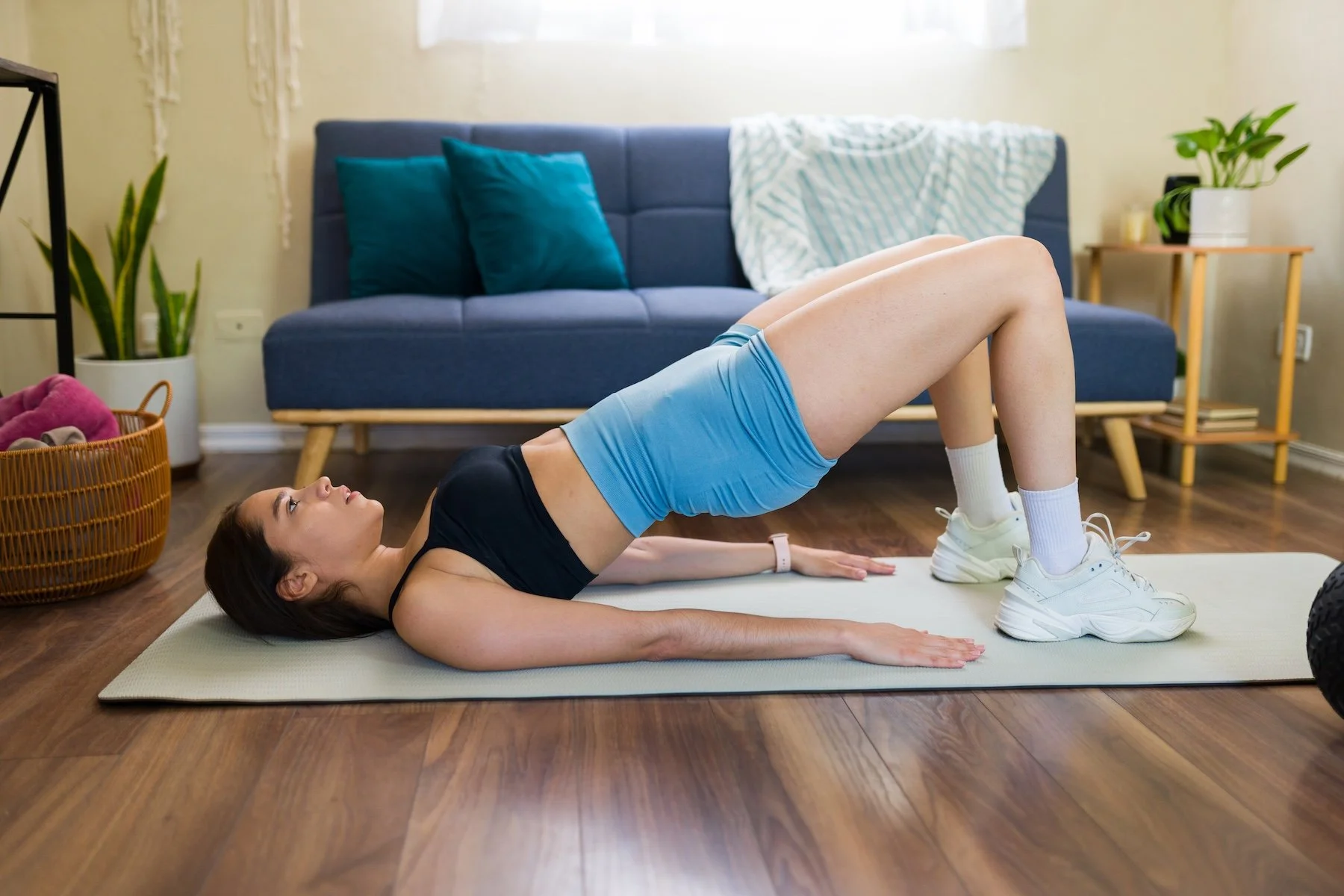
Glute Bridges
Activates the glutes and core
Helps combat hip tightness from sitting
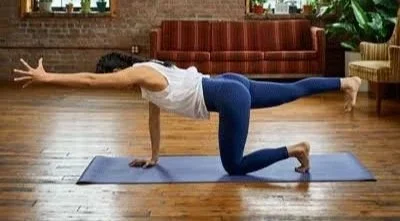
Bird Dogs
Improves core stability and posture
Helps support the lower back
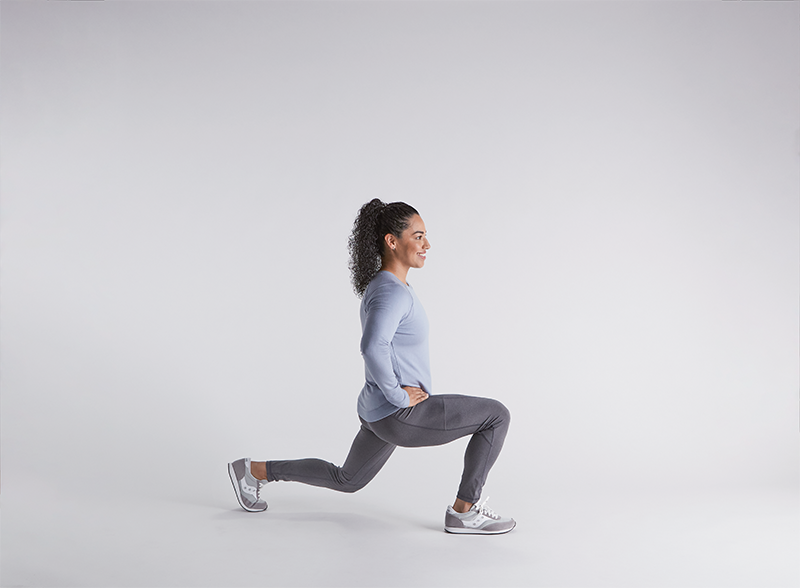
Reverse Lunges
Builds lower-body strength and balance
Round 2
Repeat all five exercises.
5-Minute Cardio Boost
Choose one:
Brisk walk outdoors
Stair climbing
Cycling
Marching in place
Light jogging
Aim to elevate your heart rate while still being able to hold a conversation.
5-Minute Mobility and Stretching
Hold each stretch for 30-45 seconds per side:
Hip flexor stretch
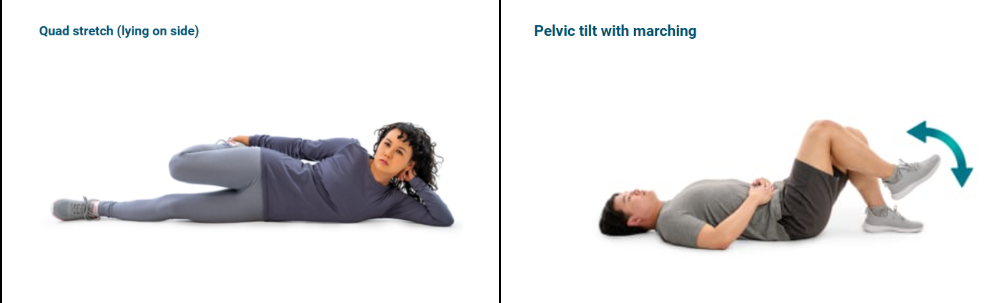
Chest stretch
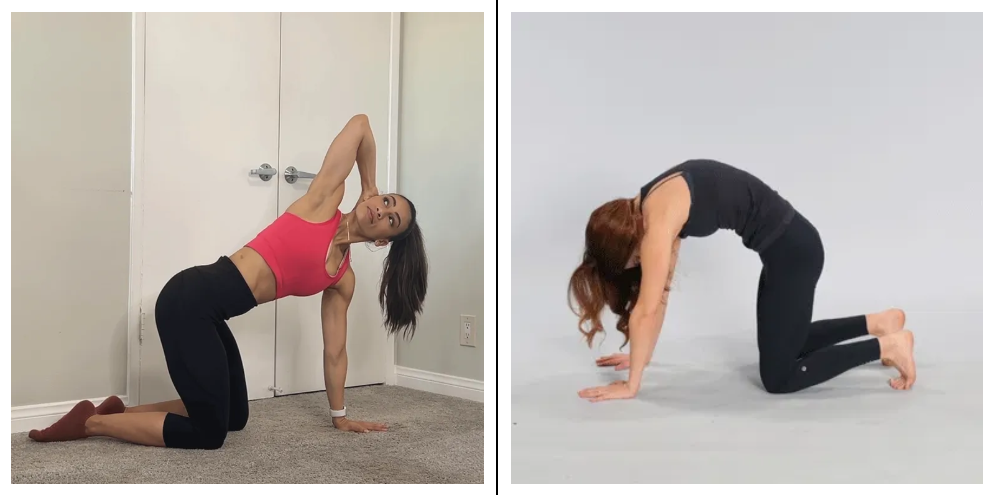
Hamstring stretch
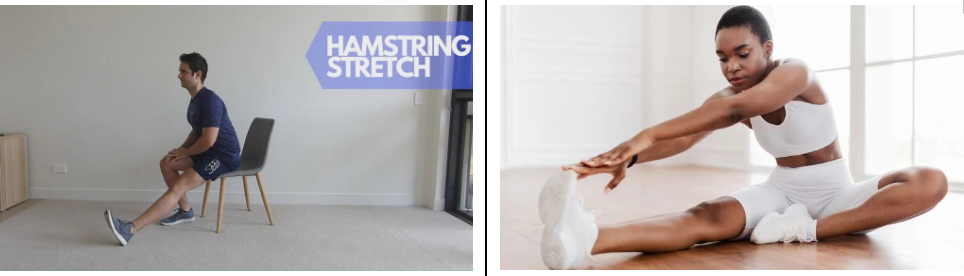
These stretches can help reduce stiffness that often develops during long periods of sitting.
Desk Job Bonus Tips
Even if you complete a daily workout, it's still important to move throughout the day.
Try to:
Stand up every 30-60 minutes
Take short walking breaks
Use the stairs when possible
Walk during phone calls
Park farther away from entrances
Perform a few stretches between meetings
Remember: the best exercise is the one you'll do consistently. Small amounts of movement performed regularly throughout the day can have a significant impact on your overall health, energy levels, posture, and long-term well-being.
Weekly Goal
Five 30-minute workouts like this one are equal to 150 minutes of exercise per week, helping you meet current physical activity guidelines while counteracting the effects of prolonged sitting.