When you're dealing with pain, recovering from an injury, or trying to improve your physical health, choosing the right treatment can feel overwhelming. Many people wonder whether they should see a Physiotherapist, Chiropractor, or Registered Massage Therapist. The truth is that these professions often work best together, not separately.

Massage Therapy is a hands-on treatment that uses touch to assess and work on the body’s soft tissue. Research suggests massage therapy has many benefits, including:
Reduce stress levels
Reducing pain and muscle stiffness
Reducing muscle tension
Supporting relaxation
Supporting a stronger immune system
Individuals may choose massage therapy to help ease pain or to aid in supporting stress relief and relaxation. Common pain conditions include back pain, ff. Massage therapy is also used for short-term and long-term pain relief after surgery.
Massage therapy is safe when done properly by a professional.
What to expect in a massage therapy session?
The RMT will ask a few questions about your goals for the session and your health history. You will be asked to undress to the point that feels comfortable for you (or wear loose-fitting clothing). You will lie on a table and will be covered with a sheet. Massage session usually starts with laying on your stomach though the therapist may ask you to turn onto your back.
Lotion is used to reduce friction on the skin, and the therapist will use targeted, pressured touch to find painful areas. A typical appointment may last up to 90 minutes. Massage therapy should not cause much pain, though a tender spot may feel uncomfortable while the RMT is working on it.
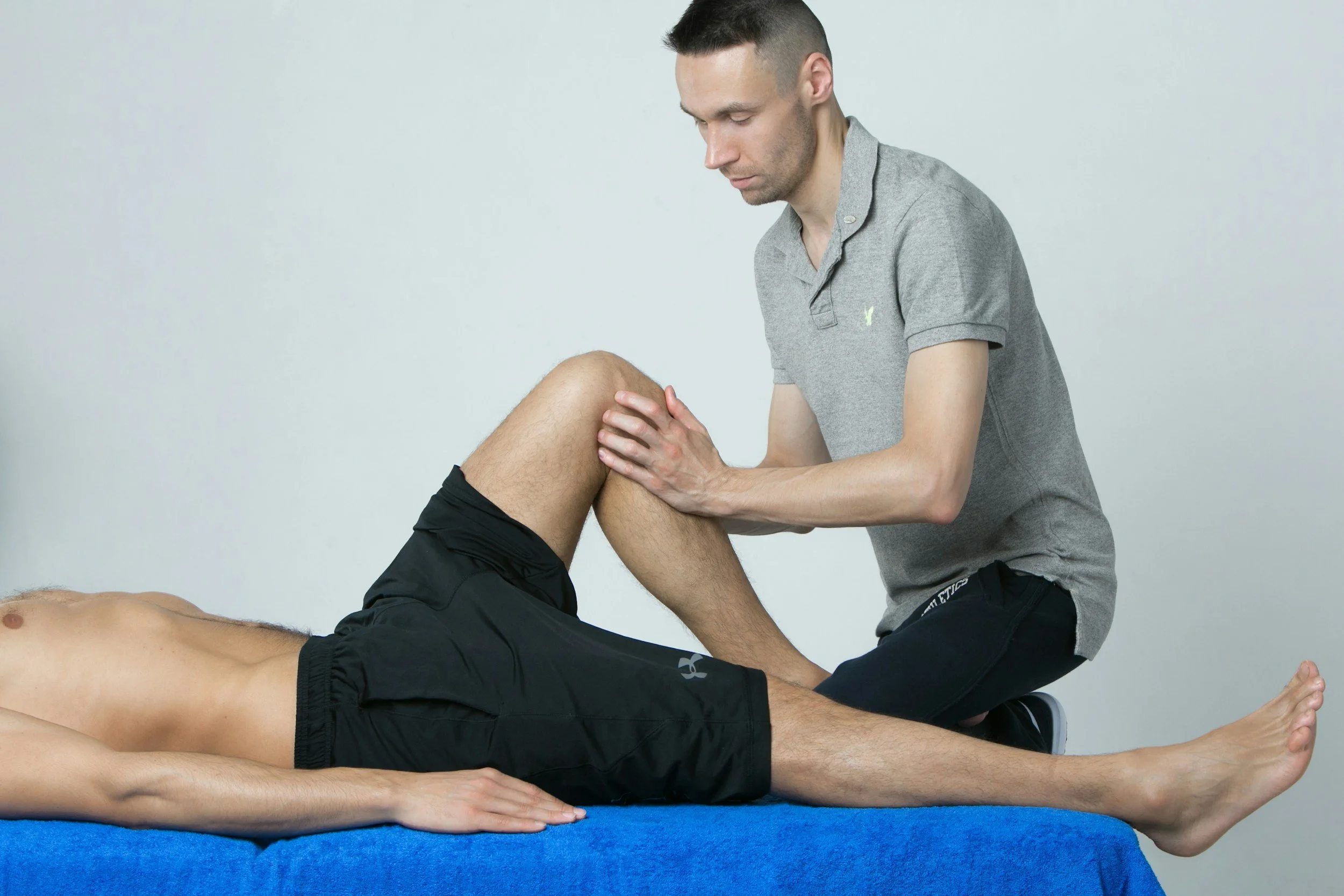
Physiotherapy is a treatment to restore or maintain mobility, function and total well-being. A physiotherapist's main focus is both prevention of injury and rehabilitation from injury. Common injuries that physiotherapists treat are neck and back pain, joint pain, heart attack or stroke rehabilitation, post-surgical treatment, mobility loss and pelvic issues.
What to expect in a physiotherapy session?
The first physiotherapy session will be an assessment session. The therapist will ask questions about your medical history, assess and possible diagnos your condition, take measurements of range of motion, mobility or strength. After the initial appointment, the therapist will work with you to set goals and administer a treatment plan. You will be prescribed exercises and possibly given assistive devices to use at home.

Chiropractic care is a hands-on, non-invasive practice that is safe and effective for relieving pain and improving body function. Chiropractors can assess, diagnose and treat conditions such as
Neck pain
Back pain
Arthritis
Headaches
Head/Neck and Spine injuries
Chiropractors relieve and prevent pain. Improve movement in the neck, shoulders, back and torso, as well as treat and prevent muscle and joint injuries.
What to expect in a chiropractic care session?
At your first visit, your chiropractor will ask about your health history as well as conduct a physical exam on your spine or other joints. Chiropractic adjustments are used to improve spinal motion and the body’s ability to move. Chiropractors will use their hands to apply a controlled force to a spinal joint. Low back or neck pain is the most common reason why people seek adjustments. You will be placed in certain poses to treat affected areas, but most likely you will be lying face down on a table. After the procedure, individuals will have minor side effects for a few days. These include headaches or pain in the body parts that were treated.
How do they complement each other?

These three disciplines work together by using three interconnected components of the musculoskeletal system
Joints/Spine
Muscle / Fascia
Strength / Rehab
Massage therapy focuses on the soft tissues. Relaxing tight muscles, releasing trigger points and breaking up fascial adhesions and improving blood flow. It warms the muscles so they can stop guarding or pulling against the joints.
Chiropractic care focuses on joint mechanics, spinal alignment and nerve irritation. With muscles softened by massage, joint adjustments are easily and comfortably done, and adjustments are able to hold longer.
Physiotherapy focuses on re-education of movement patterns. Mobilizing stiff areas and prescribing targeted exercises to strengthen weak muscles. Physio ensures your body has the strength and stability to keep the problem from returning.
Breaking the tension cycle - Bettering treatment response - Ensuring long-term prevention
At our clinic, we believe that no single treatment approach is right for every person. Each healthcare provider brings a unique set of skills and expertise that can contribute to your recovery. By combining different treatments, we can address your symptoms from multiple angles and develop a more comprehensive plan tailored to your individual needs.
For example, a Physiotherapist may focus on identifying the underlying cause of your pain, improving movement patterns, prescribing exercises, and helping you rebuild strength and function. A Chiropractor may work to improve joint mobility, reduce stiffness, and restore normal movement to areas that are not functioning optimally. A Registered Massage Therapist can help reduce muscle tension, improve circulation, decrease stress, and relieve pain in overworked or compensating muscles.
Many conditions benefit from this collaborative approach. Someone with neck pain may receive chiropractic treatment to improve joint mobility, massage therapy to reduce muscle tension, and physiotherapy exercises to strengthen the supporting muscles and prevent symptoms from returning. Similarly, an individual recovering from a sports injury may benefit from hands-on treatment to manage pain while simultaneously working through a rehabilitation program designed to restore strength, balance, and function.
By working together and communicating as a team, we can provide more complete care, help patients recover more efficiently, and support long-term results rather than simply treating symptoms. Our goal is not only to help you feel better, but to help you move better, function better, and return to the activities you enjoy with confidence.
Whether you're recovering from an injury, managing a chronic condition, or looking to improve your overall movement and health, our multidisciplinary team is here to support you every step of the way.