Frozen Shoulder
What is Frozen Shoulder?
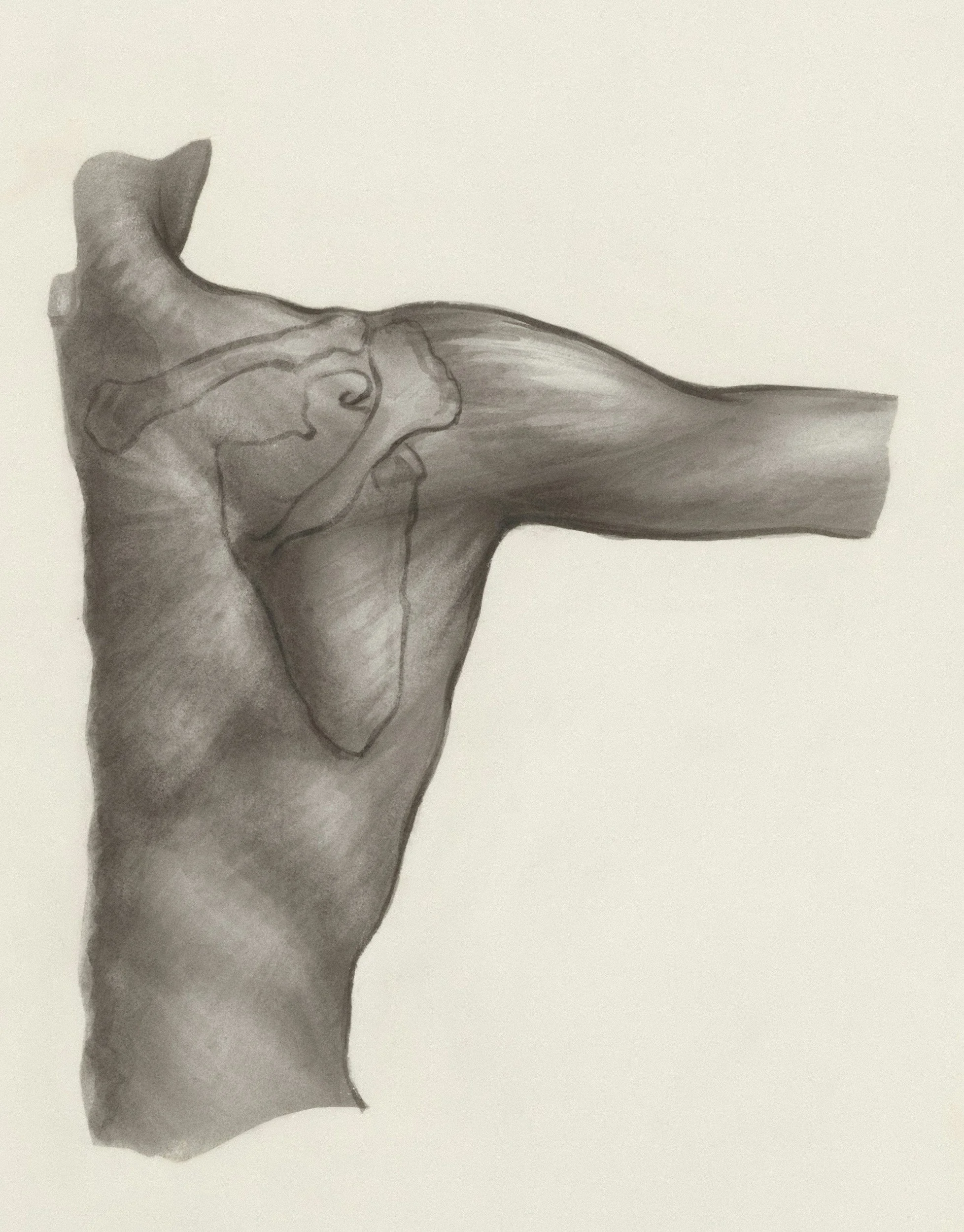
Symptoms of frozen shoulder slowly creep up on individuals. It involves stiffness and pain in the shoulder joint that gets worse slowly over time.
Having increased pain in the shoulder area and limited movement of the joint is a prime factor in causing frozen shoulder. This tends to happen after surgery to the area or a break/fracture in the area.
Have you suffered from:
Rotator Cuff Tears or Tendinitis
Bone Fractures in the upper arm, collarbone, or shoulder blade
Shoulder dislocation
Bursitis
How can the Total Rehabilitation Clinic help you?

Many treatment plans after surgery suggest starting physiotherapy immediately to maintain range of motion, mobility in the joint, and to start eliminating inflammation in the joint.
NOTE: Most of the time, surgery is not required for this injury. Seeking non-invasive treatment can help eliminate the need for invasive techniques
Light, gentle movement of the joint stimulates blood flow and will help heal your tissues more quickly than staying immobile.
BOOK WITH US NOW!
View below to see the various practitioners located at our two clinics
-
The physiotherapist will work to move the patient's arm to stretch the joint and will prescribe daily exercises to work on strengthening and mobilizing the joint. Using a combination of heat and laser therapy, a physiotherapist can slowly start to regain proper motion and strength to the injured area.
-
Chiropractic treatment can be useful to focus on the mechanics of the joint, proper alignment and target compensatory muscles causing added stress to the joint.
-
A massage therapist can aid in relieving muscle tension and removing any scar tissue buildup in the joint. Using manual therapy techniques and trigger points to improve blood flow to the tissues, relax tight muscles, and perform passive joint stretches to help increase your range of motion.
-
Acupuncture can help manage pain from frozen shoulder by triggering endorphins and pain signals to help reduce pain. It decreases muscle guarding and tension in the surrounding area to ease stiffness and improves blood flow to the shoulder.