Plantar Fasciitis
Do your first steps of the morning consists of sharp, stabbing pain? Are you going about your day with constant pain travelling across the bottom of your foot? Are you consistently on your feet without much rest? These are common signs associated with plantar fasciitis!

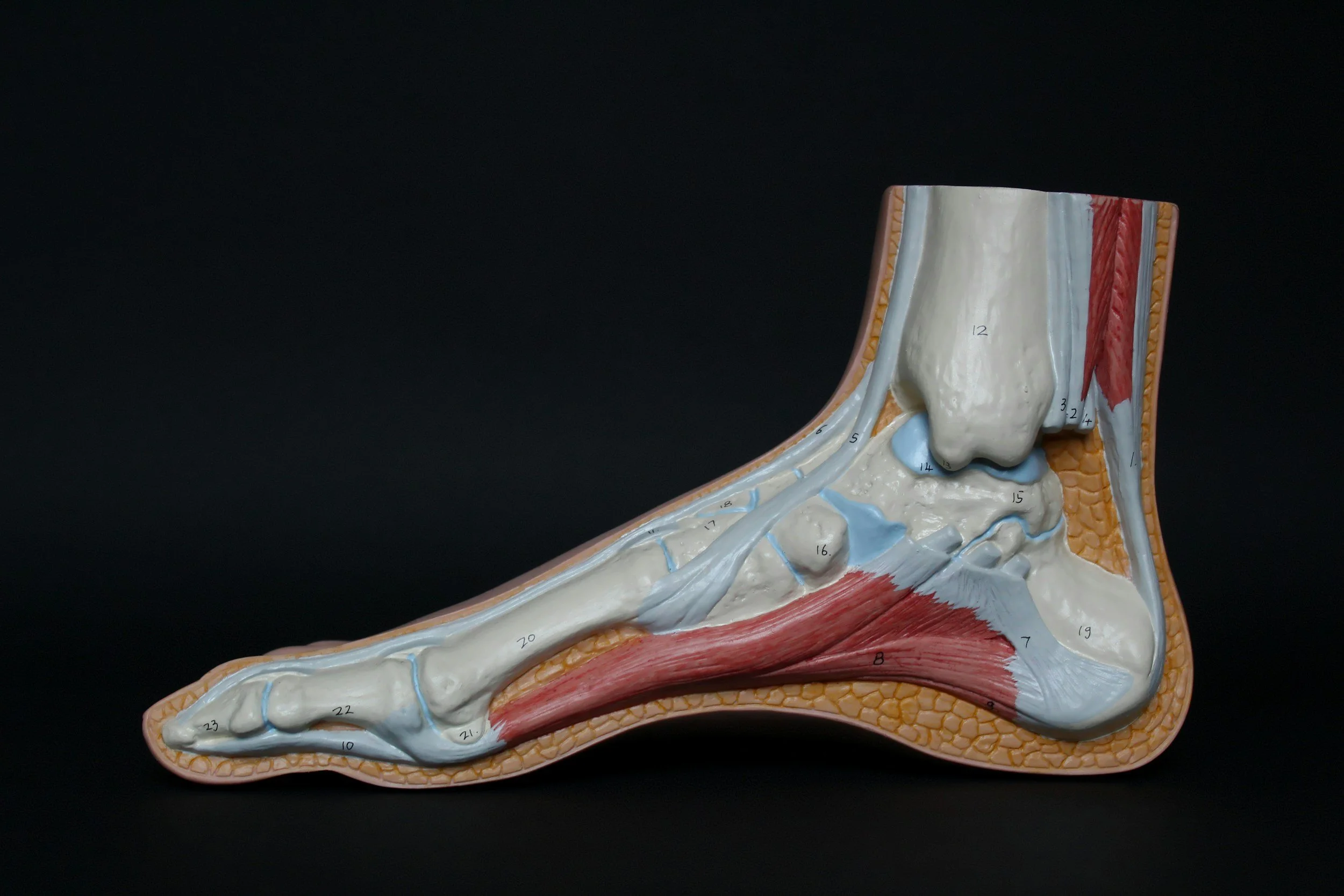
Where is your plantar fascia?
It’s a thick long band of connective tissue that spans the bottom of your foot. This band supports the arch of your foot and helps absorb shock to the foot as you walk or run. The horrible pain you’re getting from this is a result of small tears that are causing inflammation and irritation in your heel.
Activities such as prolonged standing, long-distance running, or increases in physical activity can place repeated stress on the plantar fascia. Over time, this leads to pain and irritation around the heel and bottom of the foot.
Common Symptoms
Sharp or stabbing pain with the first steps in the morning
Pain along the bottom of the foot or heel
Worsening pain after prolonged standing or exercise
Tenderness around the heel
Risk Factors
Being on your feet all day
Running or playing sports
Exercising and walking on hard surfaces
Wearing unsupportive footwear
Having high or flat arches
Higher body weight
Book With Us
Our team of expert clinicians can assess your symptoms and create a treatment plan that will help
Reduce your pain!!
Get back to what you enjoy!
Every person and injury is different, and your practitioner determines what treatment plan is right for you based on your individual assessment and your specific goals.
Choose Your Practitioner - Call us or book online to start your healing journey!
Most people start with physiotherapy or acupuncture for active pain, add massage or chiro if you are worried about the relation to your hips or calf muscles. If you’re still unsure, contact our clinic and we can set you up with the right practitioner for you!
Physiotherapy: Works to rebuild your foot strength so the pain stops coming back
May include: Strengthening stretches, mobility exercises and manual therapy
Chiropractic: Fixes any imbalances in your hips or calf muscles that pull on your foot
May include: Joint manipulation and soft tissue techniques
Massage Therapy: Melts away tight calf muscles tugging on your heel and improves circulation
May include: Deep tissue massage, myofascial release and trigger point therapy
Acupuncture: Calms down nerve pain and boost healing circulation
FAQ’s
-
Plantar fasciitis is usually the most common cause of heel pain, but it is not the only one. Achilles tendonitis or nerve issues can feel similar. The main factor to determine if it is plantar fasciitis is the timing of the pain. It is usually most painful with your first steps of the morning and at the base of your heel. If your pain doesn’t fit that timing or location, it’s worth getting it properly examined rather than leaving it alone.
-
Fortunately, you do not need to stop exercising completely while dealing with this. High-impact exercise, like running on hard surfaces is going to aggravate it and make it much worse. Low-impact exercises such as swimming, cycling or yoga are good and may even help reduce pain. Ask your practitioner for detailed information on what you can and can’t do.
-
It all depends on how long you’ve had this injury and how commited/consistent you are with treatment. Most people see improvements within 6-8 weeks or proper care. You must beware of falling back into your old habits becuase platntar fasciitis can come back without proper care. Sticking to your treatment after the pain is gone is what keeps it from coming back.