Bursitis is a painful condition that affects the small, fluid-filled sacs that cushion the bones, tendons, and muscles near the joints. Bursitis occurs when the bursae become inflamed, swollen and irritated.
To read more about Bursitis and the specific areas at risk, click the link below:
https://www.mayoclinic.org/diseases-conditions/bursitis/symptoms-causes/syc-20353242
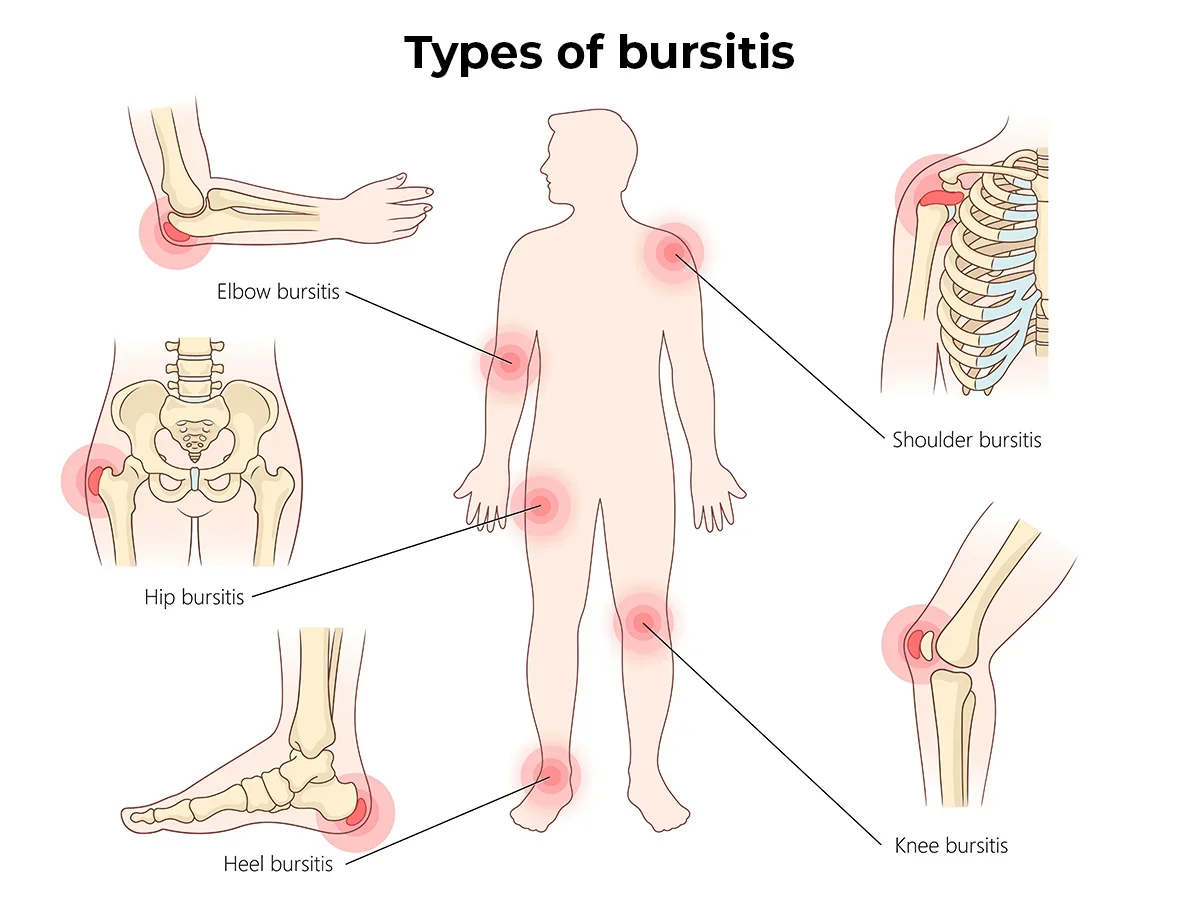
The most common locations for developing bursitis include:
Shoulder: Repeated reaching or lifting
Knee: Frequent kneeling, known as “housemaid’s knee”
Heel and Big toe: Pressure or footwear rubbing
Elbow: Leaning on hard surfaces, known as “student’s elbow”
Hips
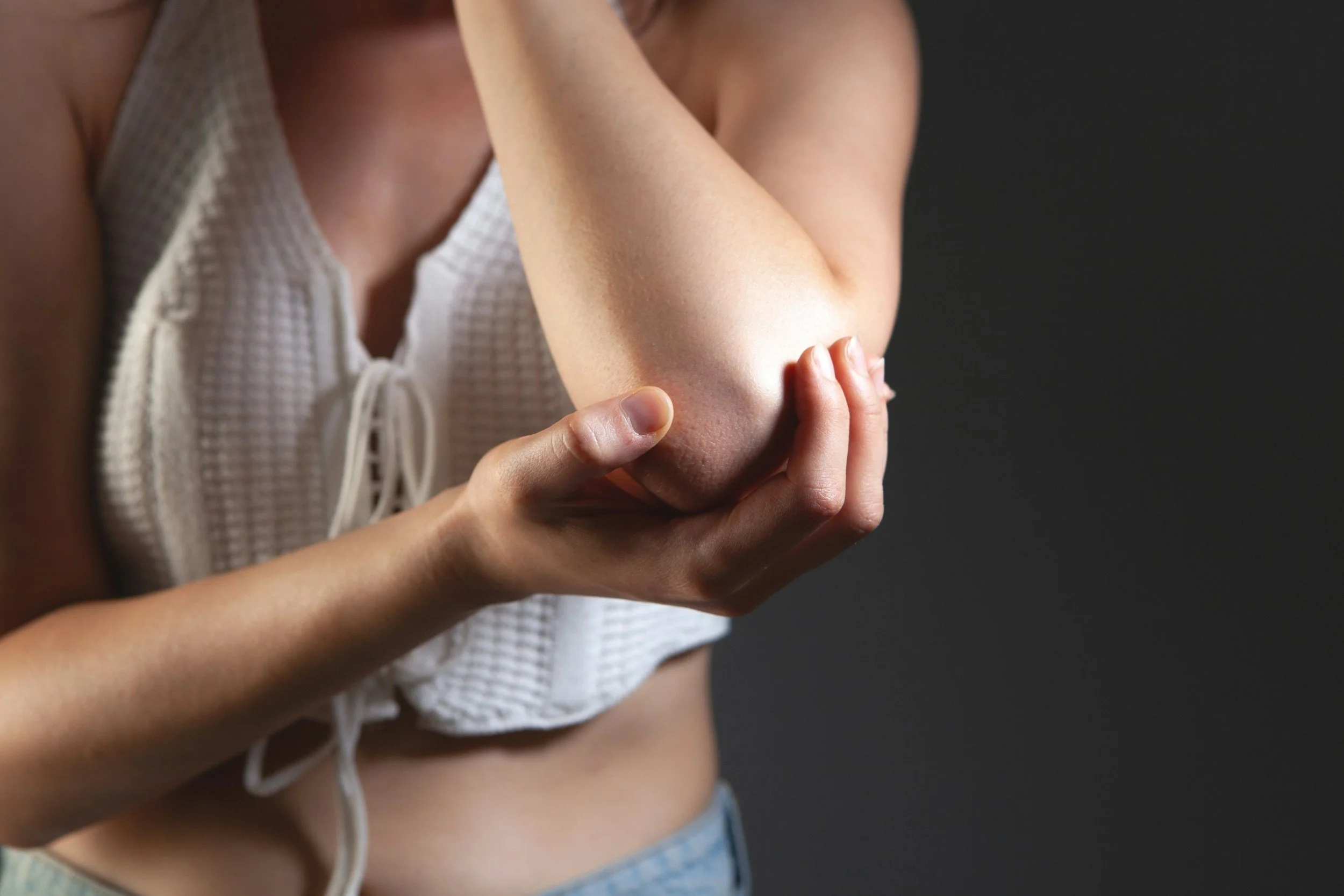
Symptoms of Bursitis include:
Achy or stiff feeling
Swollen and red
Increased pain when moving or putting weight on the joint
Fever can occur when the bursa has become infected or septic
Most common causes and risk factors for this condition include:
Overuse
Repetitive motions: Throwing or scrubbing
Prolonged pressure
Injury or trauma: Sudden hit or fall to the joint
Underlying conditions: Diabetes, gout or arthritis
Age and weight: Most common in older and overweight individuals
Resting the joint is a crucial treatment for this condition. Avoiding further damage will reduce symptoms and decrease pain fastest. Physical therapy can help bursitis by decreasing pain and restoring your joint's full range of motion. Physiotherapy also works to strengthen surrounding muscles, which will help take pressure off the bursa.
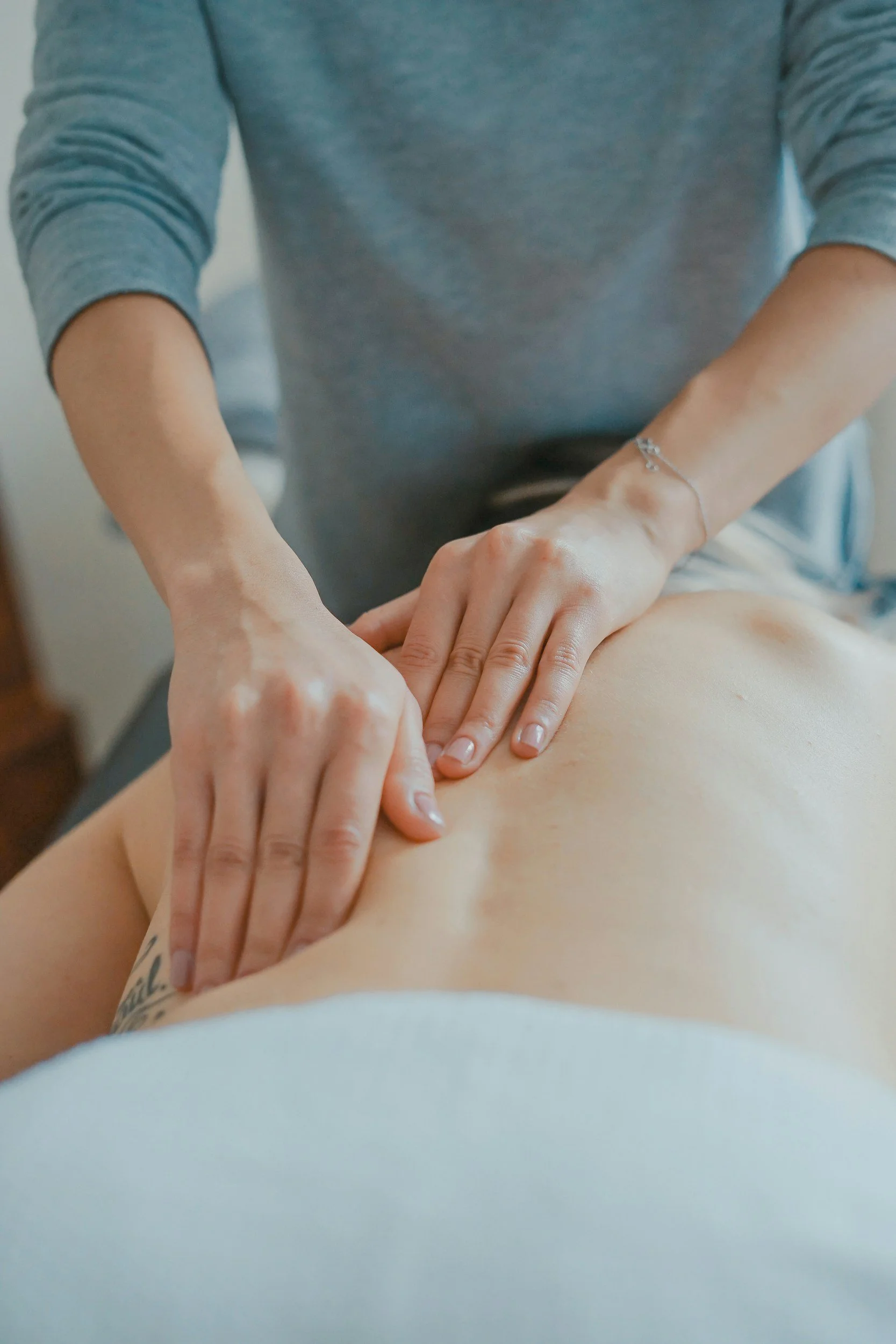
Physiotherapy and Massage Therapy can help you!
Soft tissue massages, myofascial release and joint mobilization can all help to break down inflamed tissue and improve blood flow to the injured area. Cold therapy, laser therapy, ultrasound or electrical stimulation can also help to lower irritation.