Stiff joints in the morning? Deep, aching pain after a busy day? Arthritis is one of the most common causes of joint pain and stiffness, but not all arthritis is the same. Understanding whether you're dealing with Osteoarthritis (OA) or Rheumatoid Arthritis (RA) is important because each condition affects the body differently and requires a different approach to treatment.
Arthritis is a broad term used to describe conditions that affect the joints. Common symptoms include joint pain, stiffness, swelling, tenderness, and reduced mobility. While there are over 100 types of arthritis, osteoarthritis and rheumatoid arthritis are two of the most common.
To find more information on all things arthritis, visit: https://arthritis.ca/
Osteoarthritis
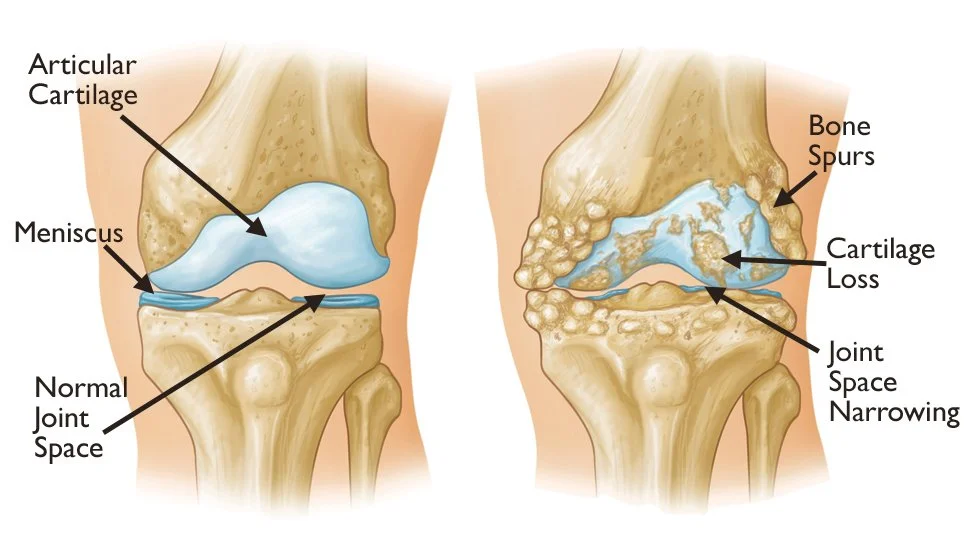
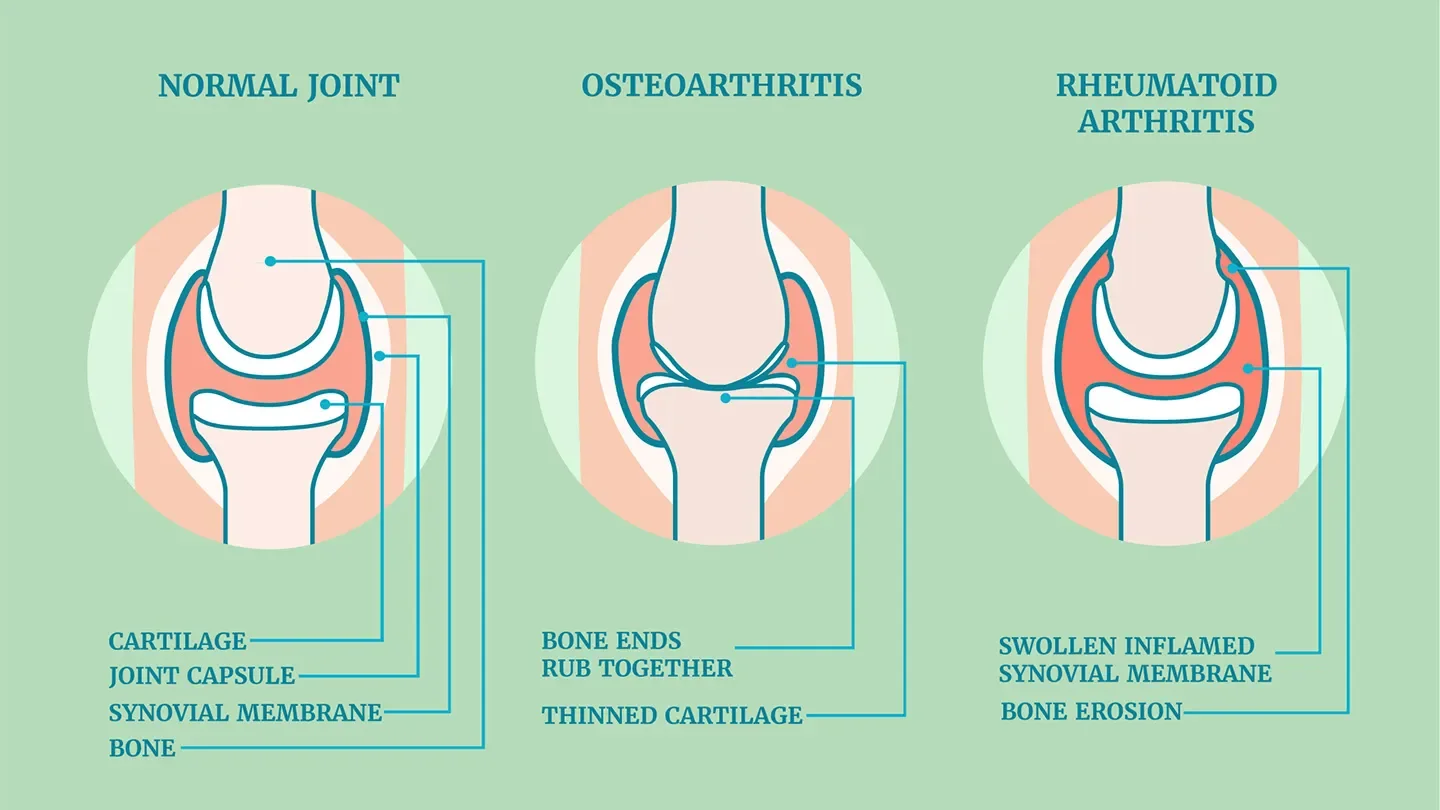
Osteoarthritis is the most common form of arthritis and is often referred to as a "wear-and-tear" condition. It occurs when the cartilage that cushions the ends of the bones gradually breaks down over time. As this protective layer wears away, the bones begin to rub against one another, leading to pain, stiffness, and reduced joint function.
Osteoarthritis most commonly affects the knees, hips, hands, feet, and spine, although it can develop in any joint. Symptoms usually develop gradually and often worsen over time.
Osteoarthritis (OA) is the most common type of arthritis. It affects more Canadians than all other forms of arthritis combined.
- Arthritis Society Canada
Common Symptoms of Osteoarthritis
Joint pain that worsens with activity
Stiffness, especially after periods of rest or first thing in the morning
Decreased range of motion
Swelling around the joint
Grinding, clicking, or cracking sensations during movement
Joint weakness or instability
Pain that increases after a busy or physically demanding day
Risk Factors for Osteoarthritis
Several factors can increase your risk of developing OA:
Aging
Previous joint injuries
Repetitive stress from work or sport
Obesity or excess body weight
Muscle weakness around the joint
Family history of osteoarthritis
Female sex, particularly after menopause
Managing Osteoarthritis
While there is currently no cure for osteoarthritis, many people successfully manage their symptoms and remain active.
Treatment options may include:
Regular low-impact exercise such as walking, cycling, or swimming
Physiotherapy to improve strength, mobility, and joint function
Weight management to reduce stress on weight-bearing joints
Supportive devices such as braces or orthotics when appropriate
Pain management strategies recommended by healthcare providers
Joint replacement surgery in advanced cases
Rheumatoid Arthritis (RA)
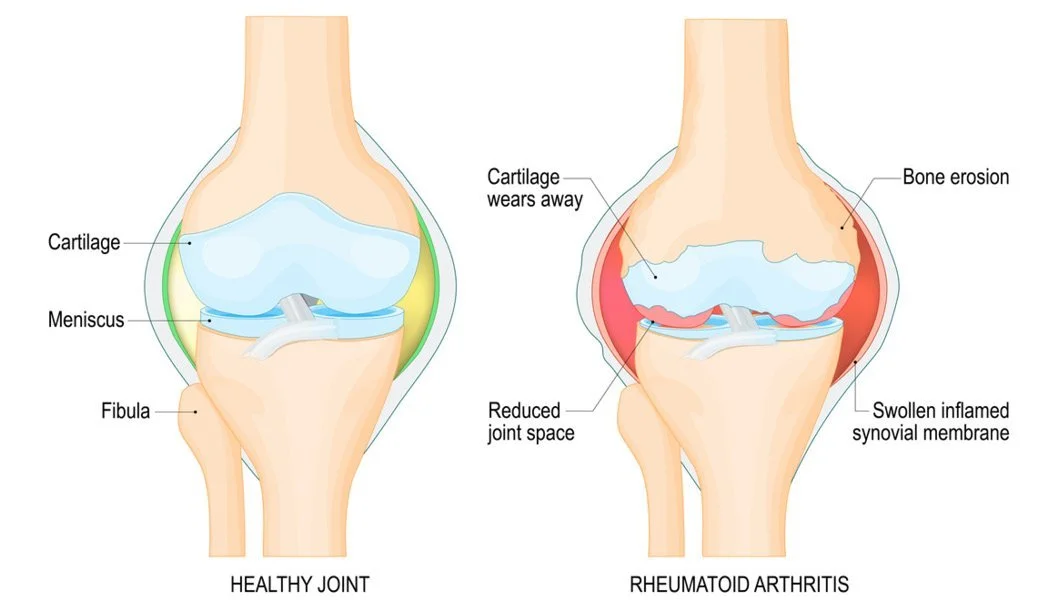
Rheumatoid arthritis is very different from osteoarthritis. RA is an autoimmune disease, meaning the body's immune system mistakenly attacks its own tissues. In rheumatoid arthritis, the immune system targets the lining of the joints, causing chronic inflammation, pain, and swelling.
Over time, this inflammation can damage cartilage, bone, and surrounding tissues. Unlike osteoarthritis, rheumatoid arthritis can affect more than just the joints and may also involve organs such as the heart, lungs, eyes, blood vessels, and nervous system.
RA often affects multiple joints simultaneously and commonly involves the hands, wrists, fingers, and feet on both sides of the body.
Common Symptoms of Rheumatoid Arthritis
Painful, swollen joints
Morning stiffness lasting longer than 30 to 60 minutes
Warmth and tenderness around the joints
Fatigue and low energy levels
Joint stiffness after periods of inactivity
Flare-ups of increased pain and inflammation
Weight loss or reduced appetite
Difficulty performing daily activities due to joint pain
Risk Factors for Rheumatoid Arthritis
The exact cause of RA remains unknown, but several factors may increase risk:
Genetic predisposition
Family history of rheumatoid arthritis
Female sex (women are affected two to three times more often than men)
Smoking
Certain environmental factors
Hormonal influences
Managing Rheumatoid Arthritis
Early diagnosis and treatment are critical for slowing disease progression and preventing long-term joint damage.
Treatment may include:
Medications prescribed by a rheumatologist to control inflammation
Physiotherapy to maintain joint mobility and strength
Regular exercise programs tailored to individual needs
Joint protection strategies
Energy conservation techniques during flare-ups
Lifestyle modifications to support overall health
How can we help you?
Physiotherapy
Whether you are dealing with osteoarthritis or rheumatoid arthritis, physiotherapy can play an important role in managing symptoms and improving quality of life.
Physiotherapy can help:
Reduce joint pain and stiffness
Improve flexibility and range of motion
Strengthen muscles that support affected joints
Improve balance and mobility
Increase confidence with daily activities
Develop individualized exercise programs
Reduce the risk of further joint deterioration
Registered Massage Therapy (RMT)
Massage therapy can help reduce muscle tension around painful joints, improve circulation, decrease stiffness, and provide relief from compensatory muscle soreness that develops when movement patterns change due to arthritis.
Acupuncture
Acupuncture may help stimulate the body's natural pain-relieving mechanisms and can be an effective tool for reducing pain, improving relaxation, and managing chronic symptoms associated with arthritis.
When Should You Seek Help?
If joint pain, swelling, stiffness, or reduced mobility are starting to interfere with your daily activities, work, exercise, or sleep, it may be time to seek professional guidance. Early intervention is one of the most effective ways to manage arthritis symptoms and maintain long-term joint health.
Not sure where to start? Our multidisciplinary team can help create a personalized treatment plan tailored to your symptoms, goals, and lifestyle. Book an appointment today to begin moving more comfortably and confidently.