Have you noticed a painful bump forming at the base of your big toe? Do your shoes feel tighter than they used to, or does your big toe seem to be drifting toward your other toes? You may be dealing with a bunion, one of the most common foot conditions affecting adults.
While bunions often develop gradually, they can become increasingly painful over time and interfere with walking, exercise and everyday activities. Understanding what causes bunions and how they can be managed is the first step toward keeping your feet healthy and comfortable.
What is a Bunion?
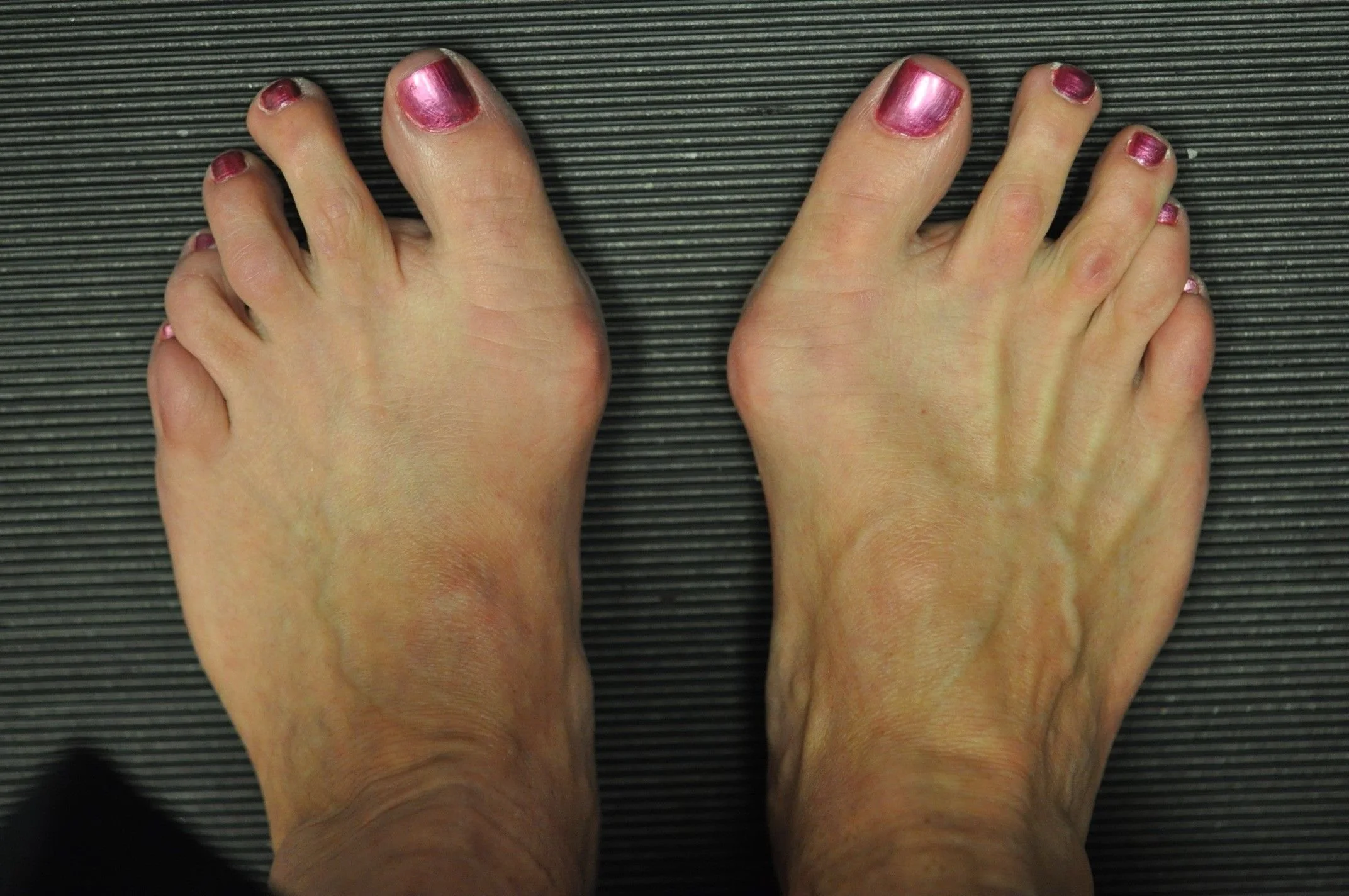
A bunion, also known as hallux valgus, is a bony prominence that develops at the base of the big toe joint. It occurs when the big toe gradually shifts toward the second toe, causing the joint to move out of alignment.
As the condition progresses, the joint may become enlarged, swollen, and painful. In some cases, the big toe can begin to overlap or crowd the neighbouring toes.
Bunions do not appear overnight. They typically develop slowly over many years and may become more noticeable with age.
Common Symptoms of a Bunion
Symptoms can vary depending on the severity of the bunion and the amount of irritation surrounding the joint.
Common symptoms include:
A visible bump on the side of the foot at the base of the big toe
Pain or tenderness around the joint
Swelling and redness
Stiffness of the big toe
Difficulty wearing certain shoes
Corns or calluses between the toes
Increased pain after prolonged standing or walking
Reduced range of motion in the big toe
Difficulty participating in physical activities
Not every bunion is painful, but symptoms often worsen as the deformity progresses.
What Causes Bunions?
There is no single cause of bunions. Instead, they typically develop due to a combination of genetic and environmental factors.
Common causes and risk factors include:
Genetics
Many people inherit foot structures that make them more likely to develop bunions. If your parents or grandparents had bunions, your risk may be higher.
Foot Structure
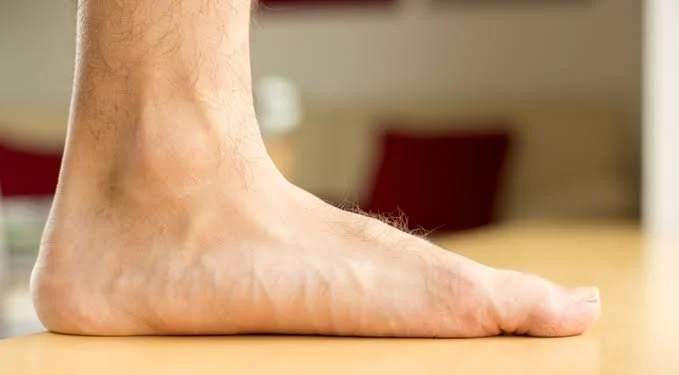
Flat feet, flexible joints, and certain walking patterns can place increased stress on the big toe joint over time.
Improper Footwear
Shoes that are narrow, tight, or have a pointed toe box can increase pressure on the forefoot and aggravate bunion symptoms.
Arthritis
Certain forms of arthritis, particularly rheumatoid arthritis, may increase the likelihood of developing bunions.
Age
While bunions can occur at any age, they become more common as we grow older due to gradual changes in joint alignment and tissue elasticity.
Occupational and Lifestyle Factors
Activities or occupations that require prolonged standing may contribute to foot discomfort associated with bunions.
Can Bunions Be Prevented?
Not all bunions can be prevented, especially when genetics play a significant role. However, there are steps you can take to reduce stress on the feet and slow progression:
Wear properly fitting shoes with a wide toe box
Avoid consistently wearing high heels
Maintain foot and ankle strength
Stay active and maintain a healthy body weight
Address foot pain early rather than waiting for symptoms to worsen
Consider supportive footwear or orthotics if recommended by a healthcare professional
Treatment Options for Bunions
Treatment focuses on reducing pain, improving function, and slowing progression of the deformity.
Conservative treatment options may include:
Wearing shoes with wider toe boxes
Activity modification
Ice to reduce swelling and discomfort
Protective padding over the bunion
Toe spacers or splints
Custom orthotics
Stretching and strengthening exercises for the foot and ankle
Anti-inflammatory medications when appropriate
In severe cases where pain significantly affects daily activities and conservative treatment is no longer effective, surgery may be considered.
How Can a Chiropodist Help?
A Chiropodist specializes in assessing, diagnosing, and treating conditions of the feet and lower limbs. If you're experiencing pain from a bunion, a chiropodist can help determine the severity of the condition and recommend treatment options tailored to your needs.
A chiropodist may help by:
Assessing your foot mechanics and walking pattern
Recommending appropriate footwear modifications
Providing custom orthotics to reduce pressure on the affected joint
Offering padding, splinting, or offloading techniques to improve comfort
Providing education on managing symptoms and preventing progression
Monitoring changes in the bunion over time
Referring for further medical assessment if surgical consultation is appropriate
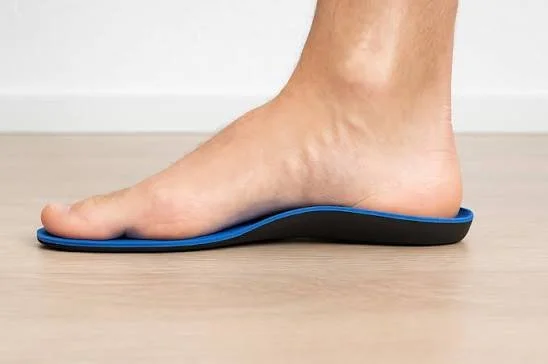
Many people can manage their symptoms successfully with conservative care and avoid unnecessary discomfort by seeking treatment early.
Don't Let Foot Pain Slow You Down
Bunions are a common condition, but they don't have to stop you from staying active. Early intervention can help reduce pain, improve comfort, and prevent symptoms from progressing.
If you're experiencing pain, struggling to find comfortable footwear, or noticing changes in your big toe alignment, our Chiropodist can assess your condition and develop a personalized treatment plan to keep you moving comfortably.
Book an appointment today and take the first step toward healthier, happier feet.